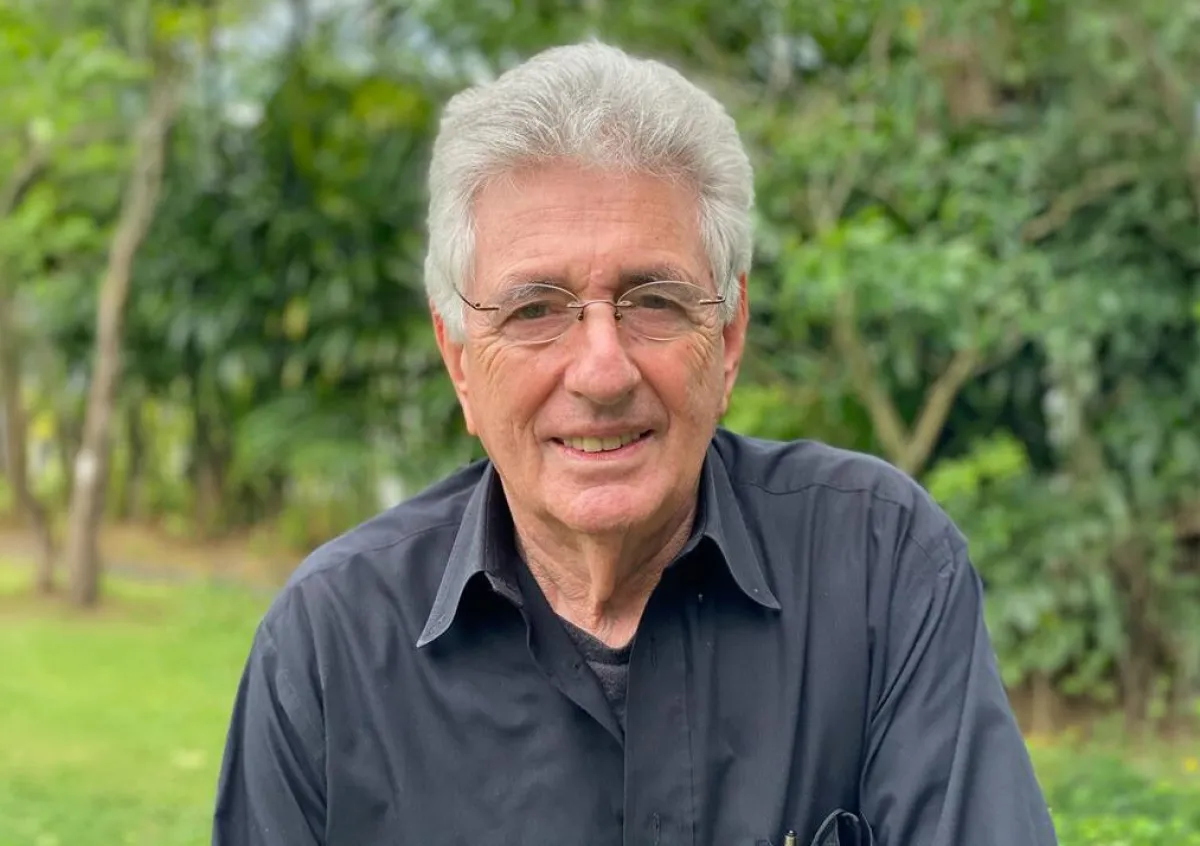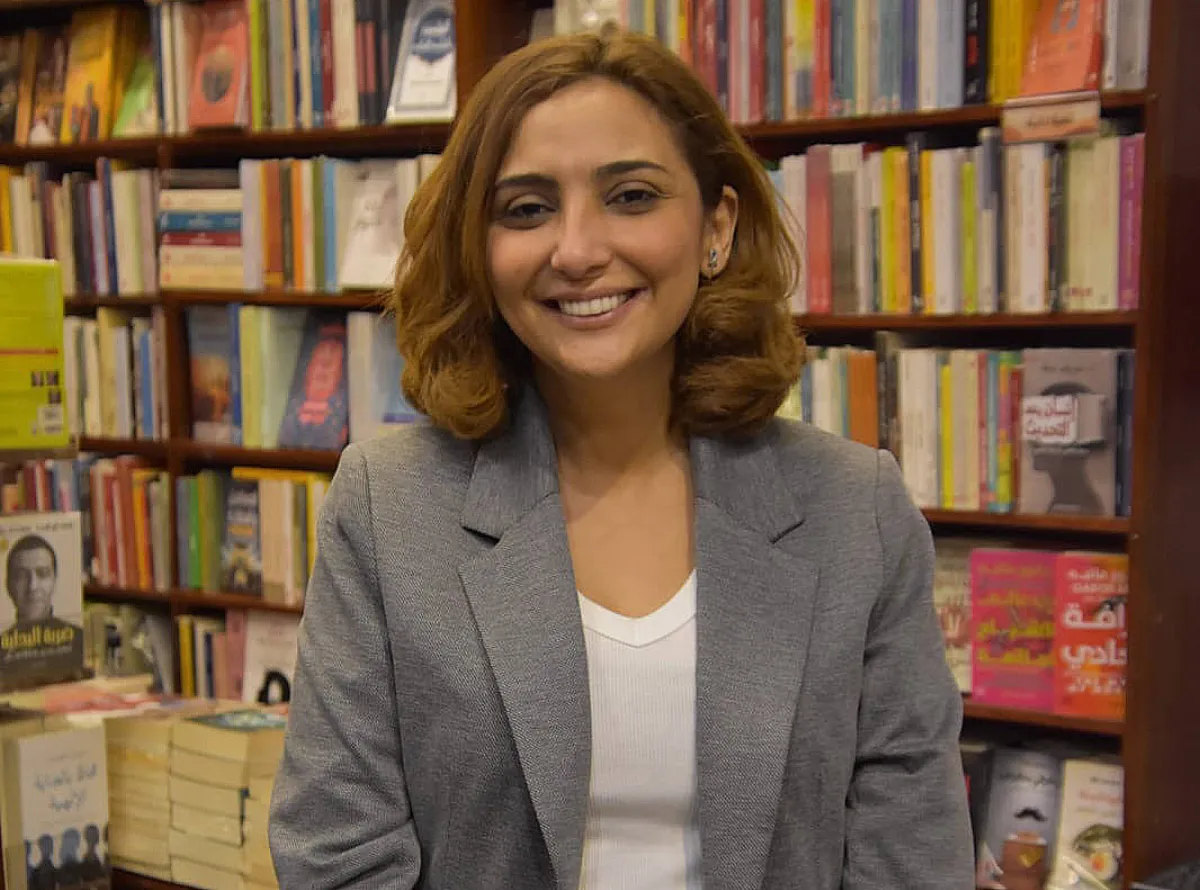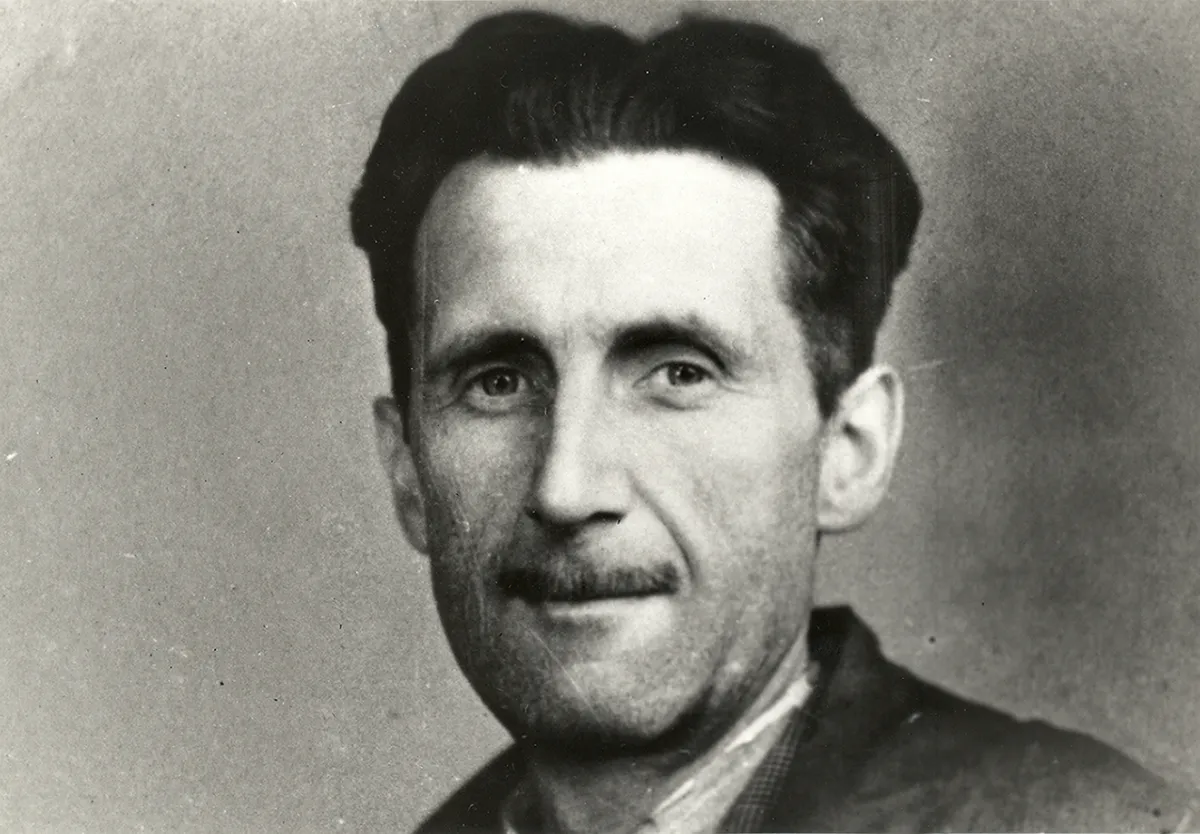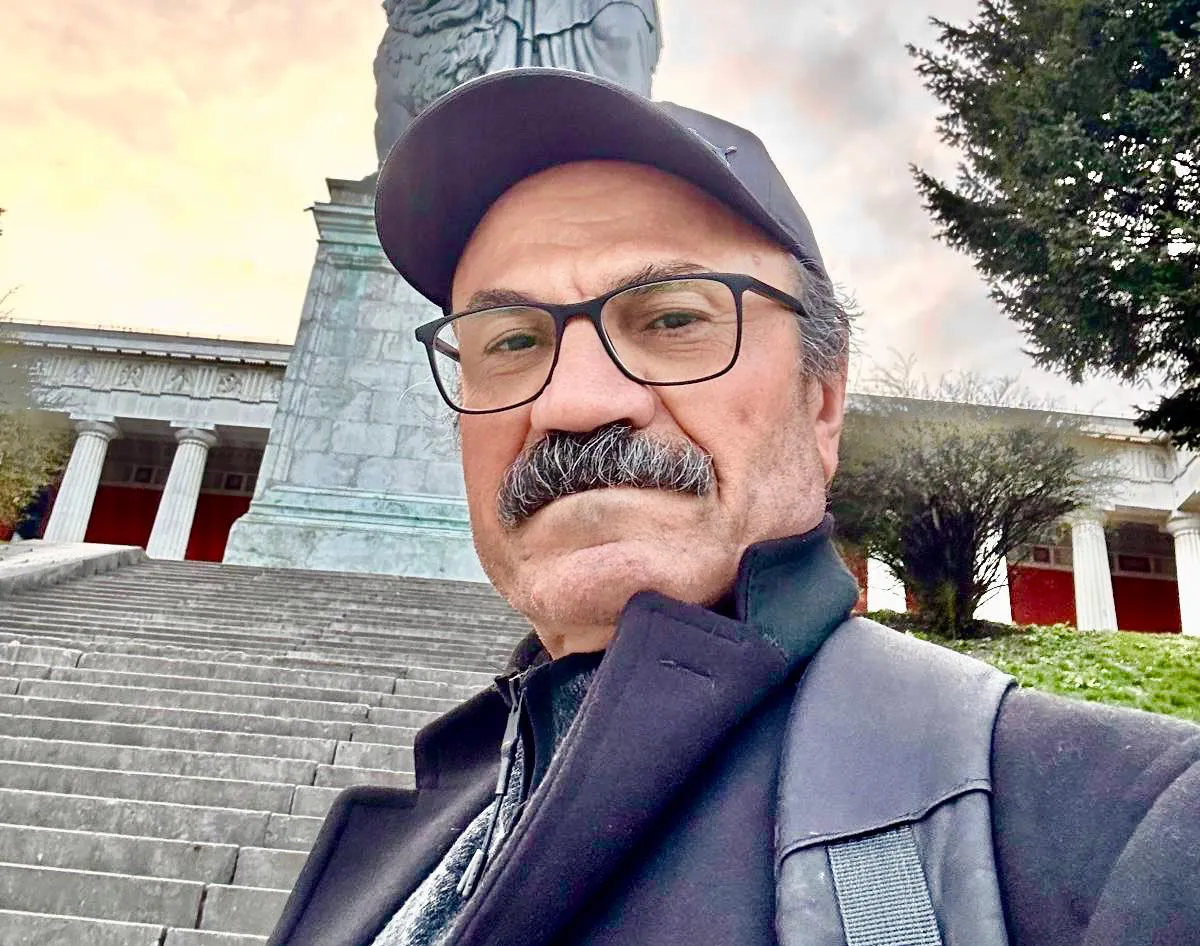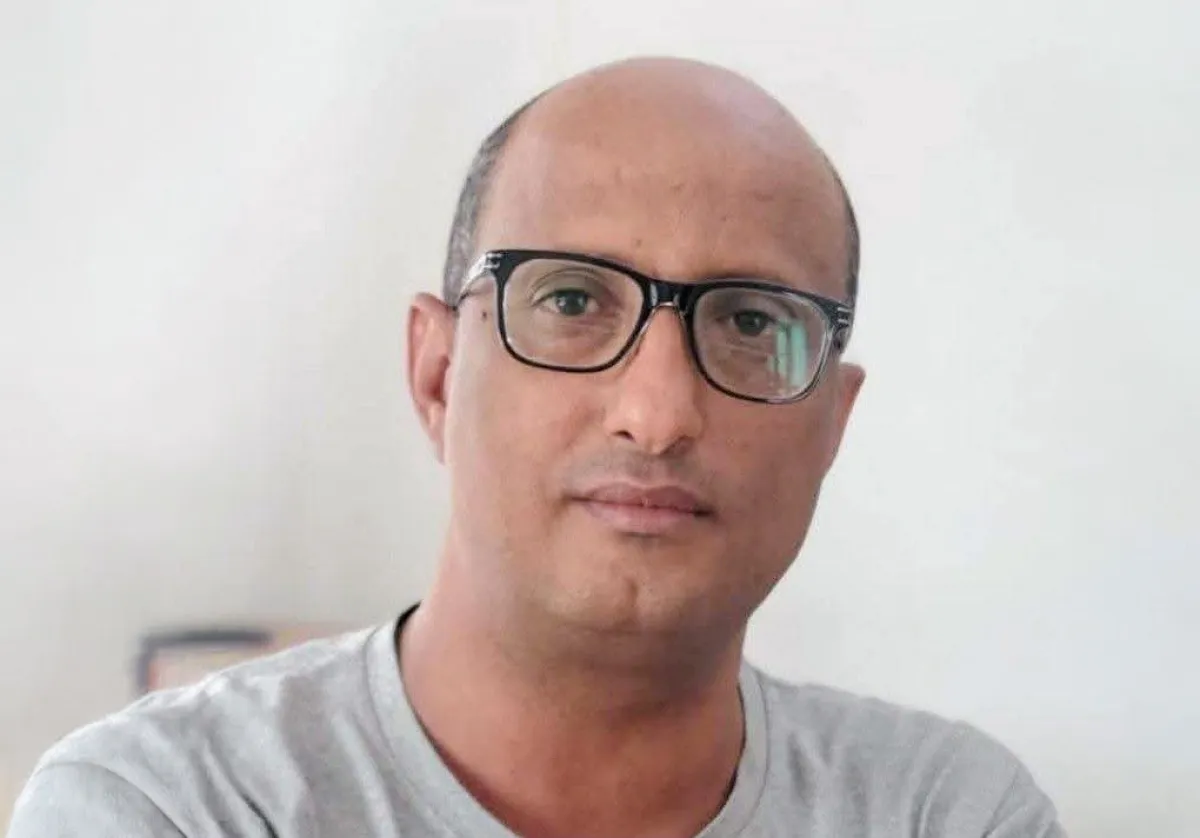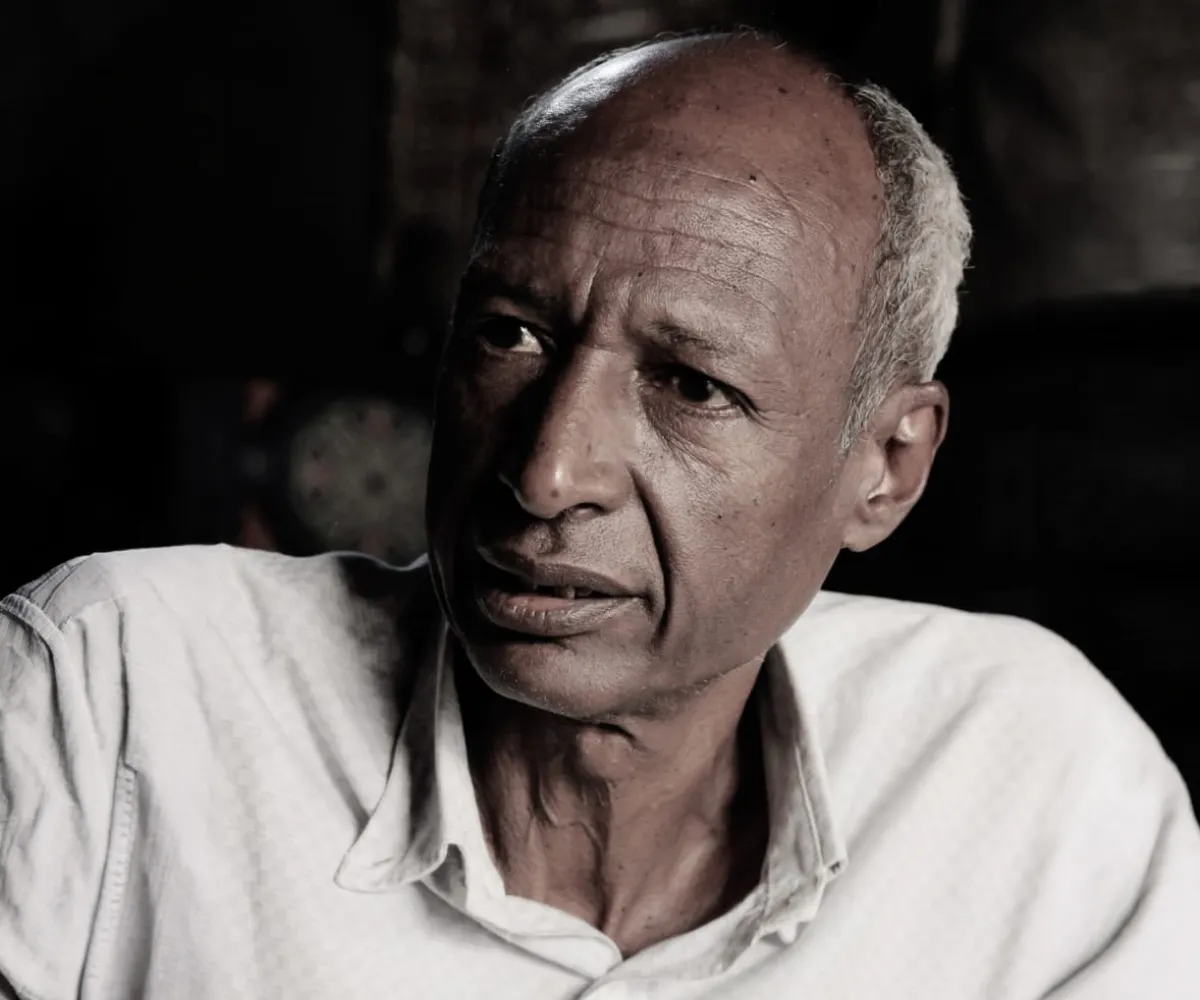


Egyptian author Ahmed Abdel Moneim Ramadan on how absurdity and fantasy mirror Egypt’s social and political realities, shifts in the literary landscape, the economics of writing, and the tension between profession and art.
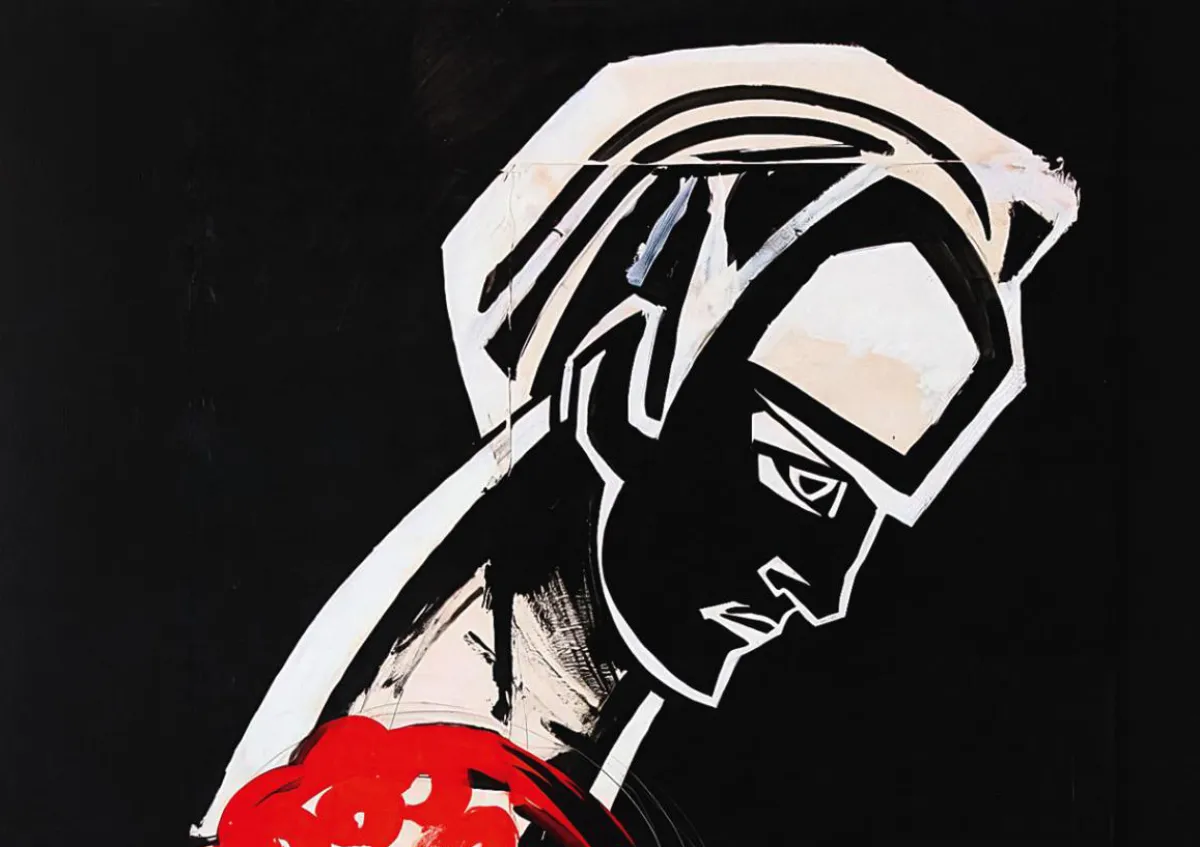
"Into the Uncut Grass": Trevor Noah and Sabina Hahn tell why sometimes you just have to start running to get home. A fable about friendship, freedom and the gentle weight of decisions
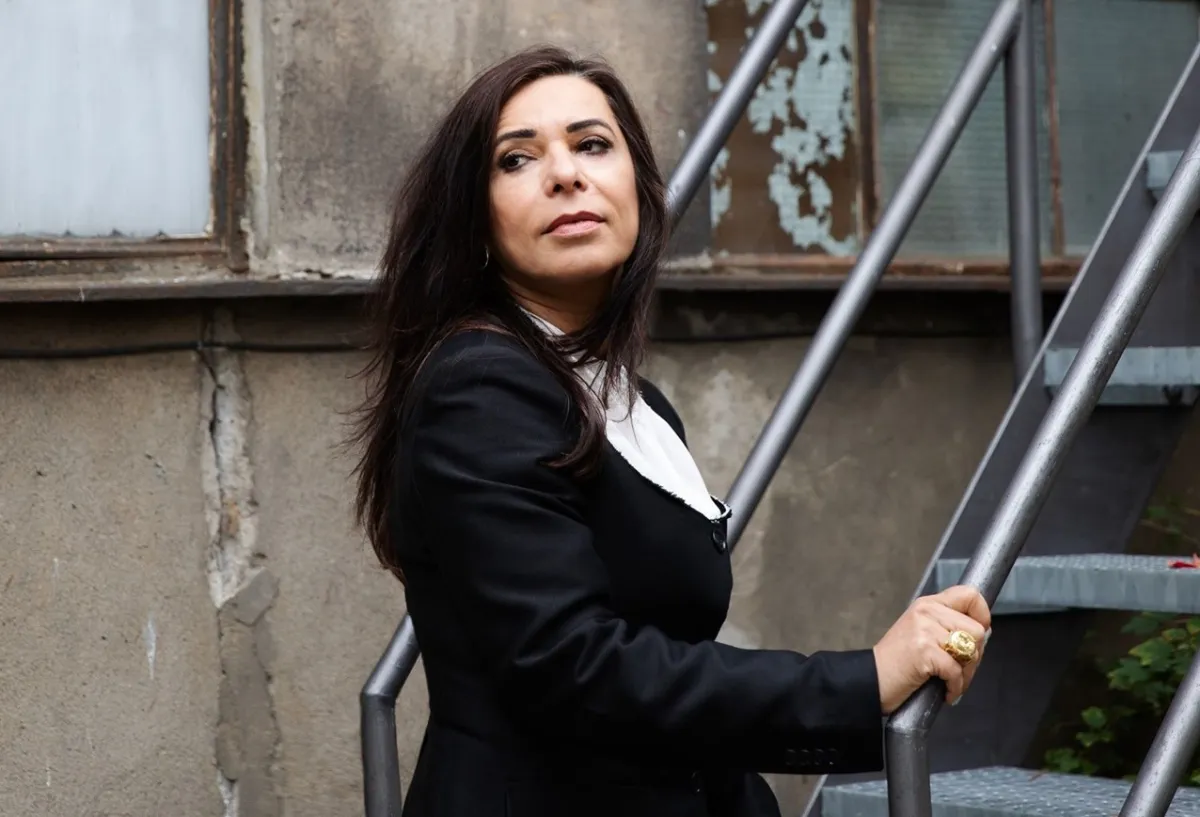
In "Das Deutsche Demokratische Reich" (The German Democratic Reich), historian Volker Weiß shows how right-wing politics is made possible today by the rewriting and reinterpreting of history
In his transcontinental family history "Tabak und Schokolade", Martin R. Dean reconstructs Switzerland's colonial entanglements using a wide variety of memory media
KAG1LP2MDIAKITE, CC BY-SA 4.0 via Wikimedia Commons
Bildunterschrift
Yambo Ouologuem
‚Bound to Violence‘ by Malian writer Yambo Ouologuem was republished as a Penguin Modern Classic, a series of books self-defined as “shaping the reading habits of generations since 1961”
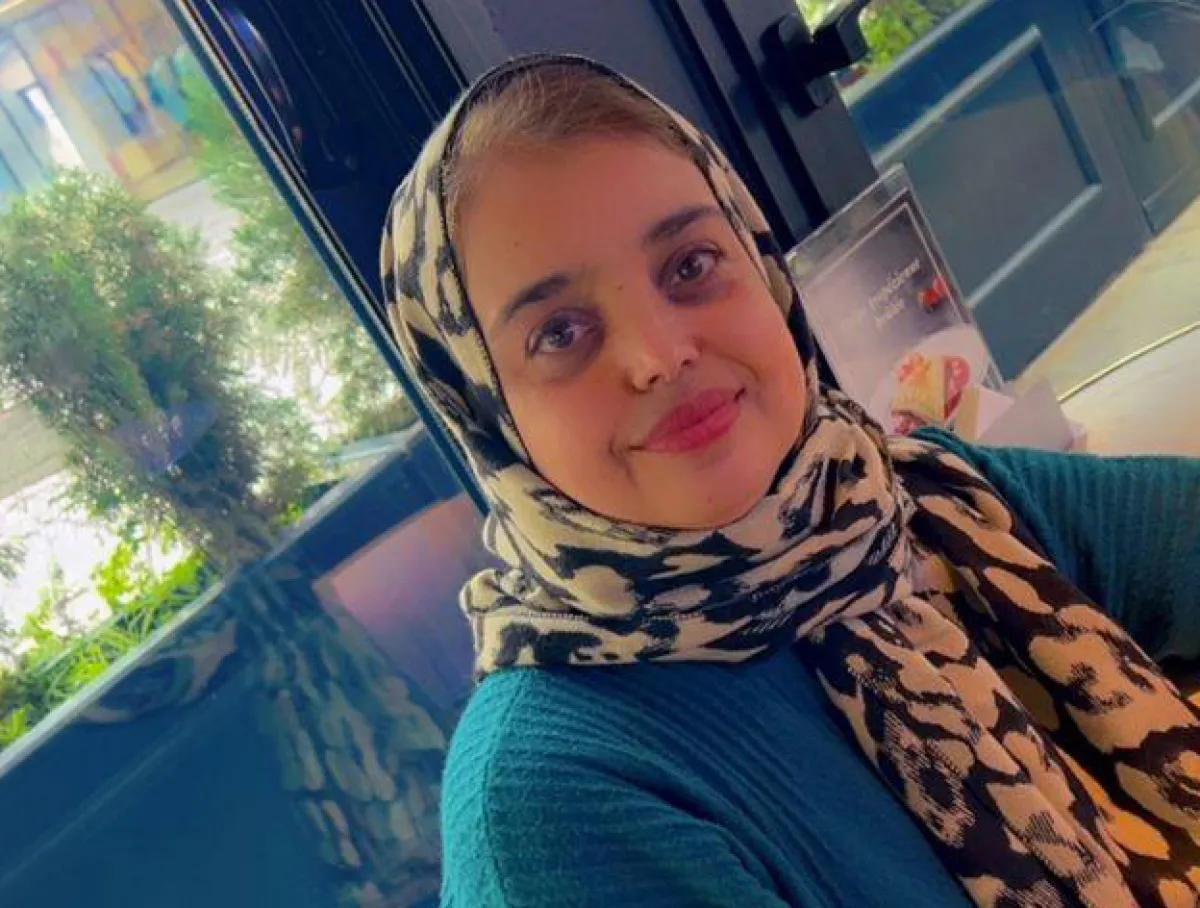
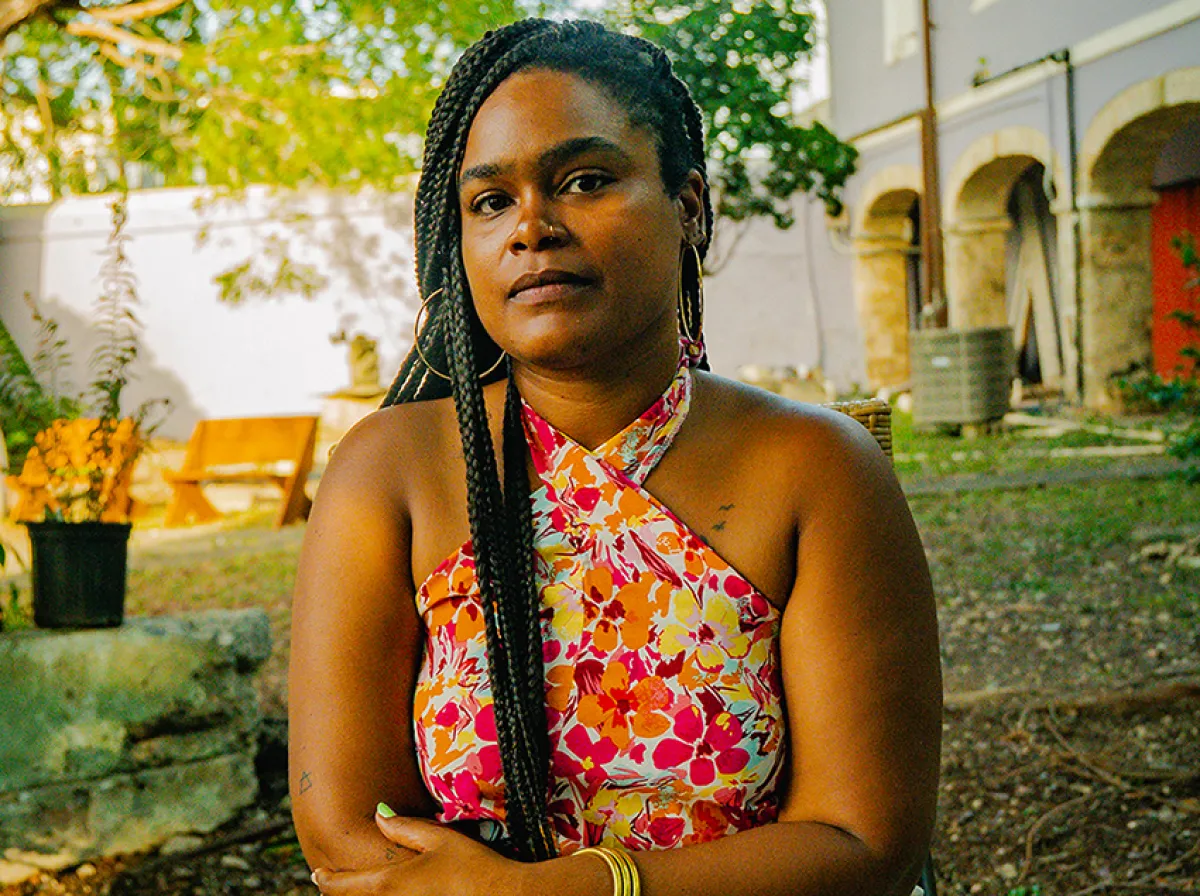
In "Soul Lanterns", Shaw Kuzki shows how memories are passed down through generations and change over time. Her young adult novel combines historical truth, poetic concision and the quiet rituals of a restless city
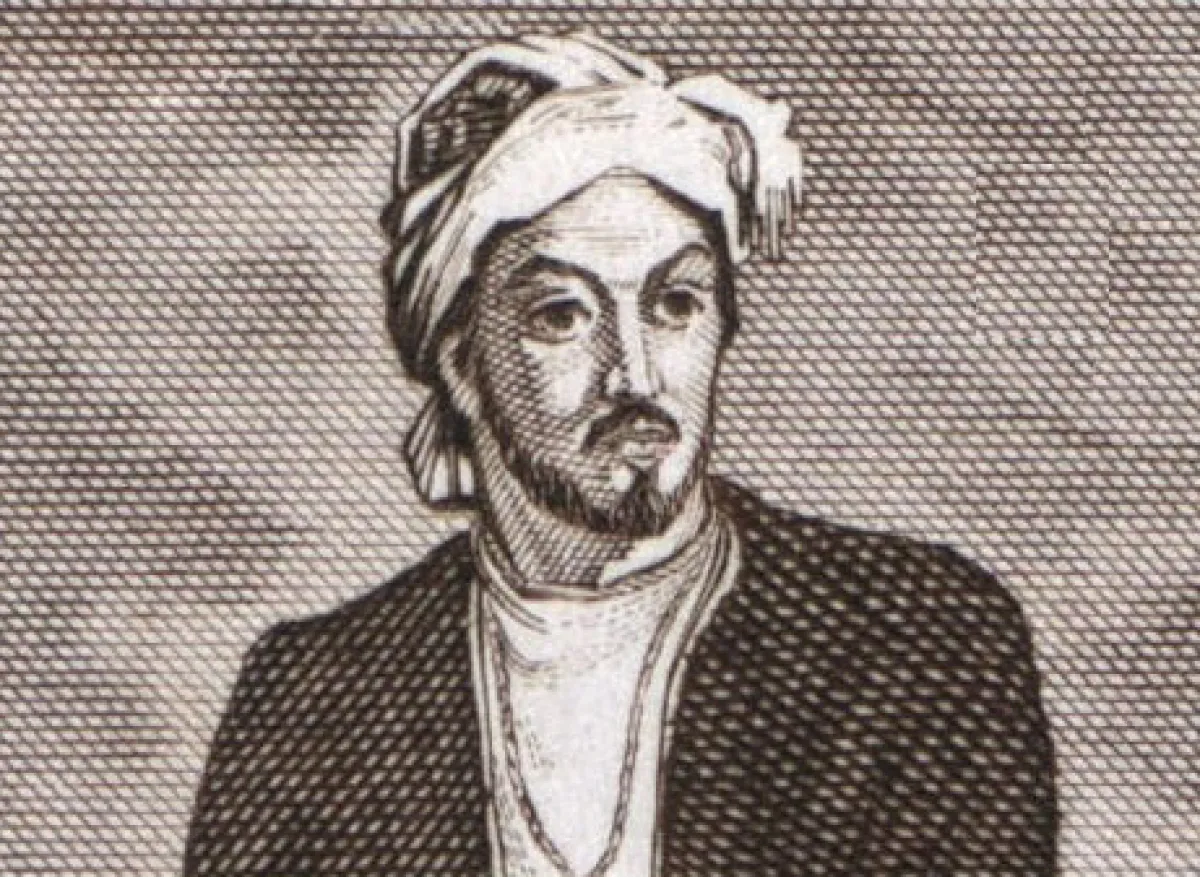
Halldór Laxness spent his life searching for literary and political identity. His novels on colonialism, poverty and nature now read like early voices of the Global South. An interview with his biographer Halldór Guðmundsson.
With "Vishwa Shastra - India and the World", Dhruva Jaishankar has written an introduction to Indian history for the youth of his country. It focuses on India's relations with the world and the future of the subcontinent
Between resistance and creative appropriation: how African artists are transforming the Western theatrical canon to create cultural self-determination and new forms of expression
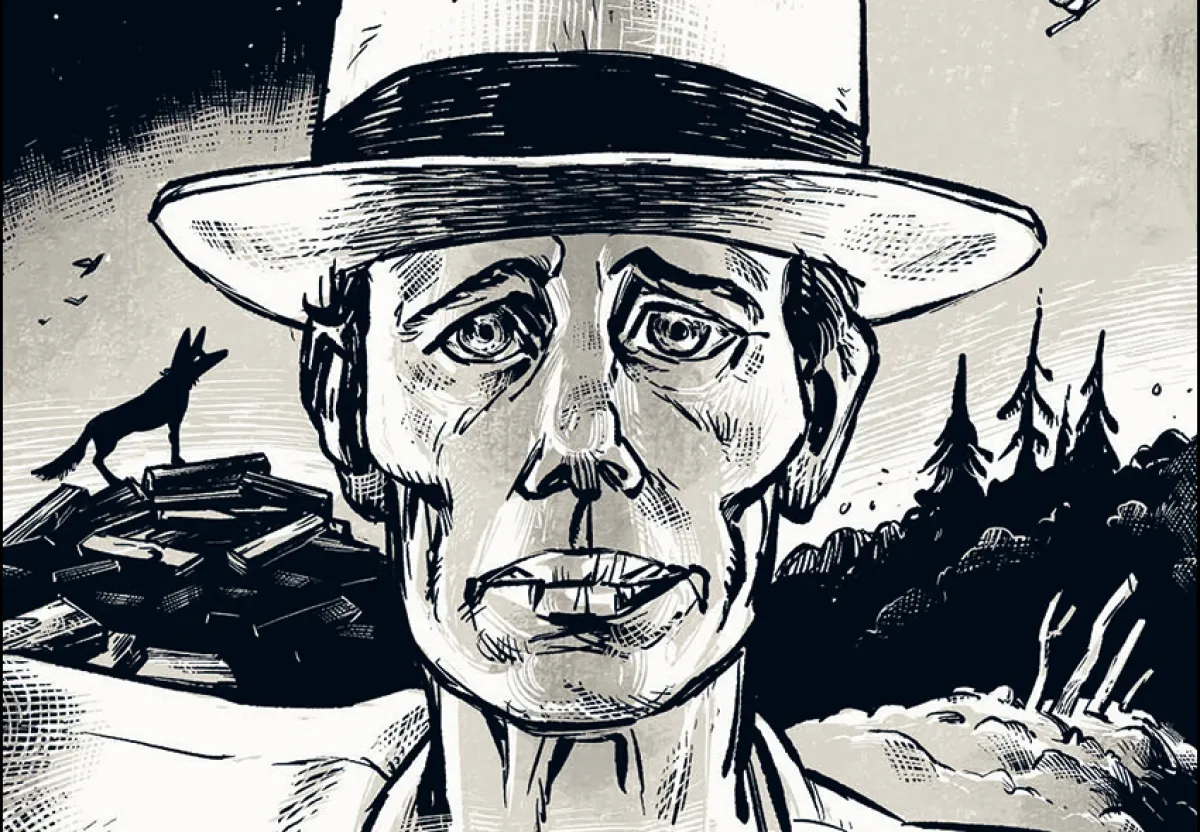
Lavie Tidhar's "Adama" is a stark portrait of Israeli history, exploring violence, hope and self-destruction. An unusual thriller that demonstrates how no ideal remains unscathed when people have to live with it.
In "Theft", Abdulrazak Gurnah traces the fine cracks that run through friendship, love and origins when a society is set in motion. A quiet novel that unfolds its greatest power precisely in its omissions