



Radical, honest, incorruptible
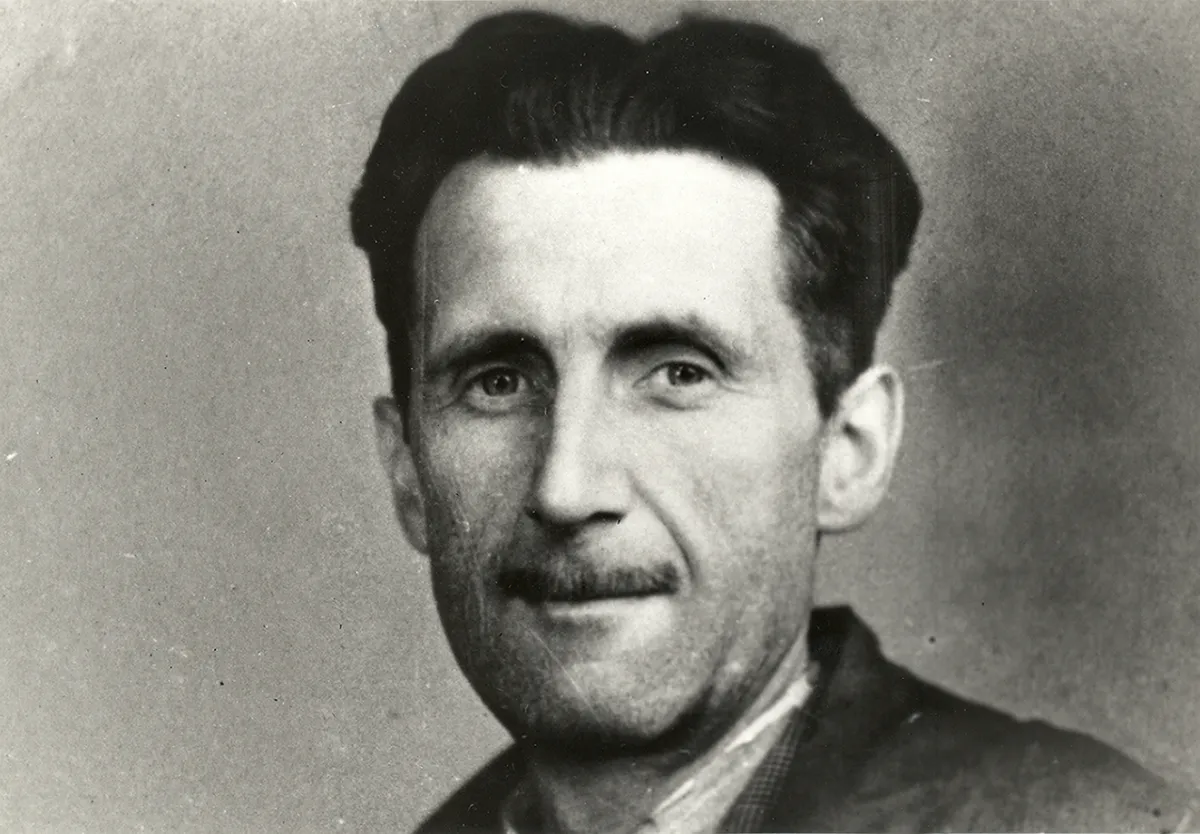
 Reclam
George Orwell | Zeilen der Zeit | Reclam Verlag | 267 pages | 25 EUR
George Orwell continues to fascinate and is more relevant than ever. Animal Farm and 1984 are classics that are still read today. His journalistic texts are equally compelling. Lutz W. Wolff has selected and translated 80 columns for a German-speaking audience. In February, they were published by Reclam under the title Zeilen der Zeit / Kolumnen aus einem Jahrhundert im Umbruch (Lines of Time / Columns from a Century of Upheaval). Most of the texts originally appeared in the column As I Please, in the "Tribune", a British newspaper for which George Orwell wrote both literary criticism and columns from December 1943 to March 1947, offering a left-leaning critique of the British Labour Party. On May 27, Alma Books published a critical literary edition of all articles in As I please in English. These German and English editions are not identical in content, but largely overlap.
George Orwell himself had participated in the Spanish Civil War as a volunteer member of the Independent Labour Party, until the unit he had joined was eliminated under pressure from Stalin. He had to go into hiding in mid-June 1937 to avoid arrest and possible death at the hands of the communists. He managed to escape across the border to France, but was by then cured of any illusions as to the nature of communism in Russia.
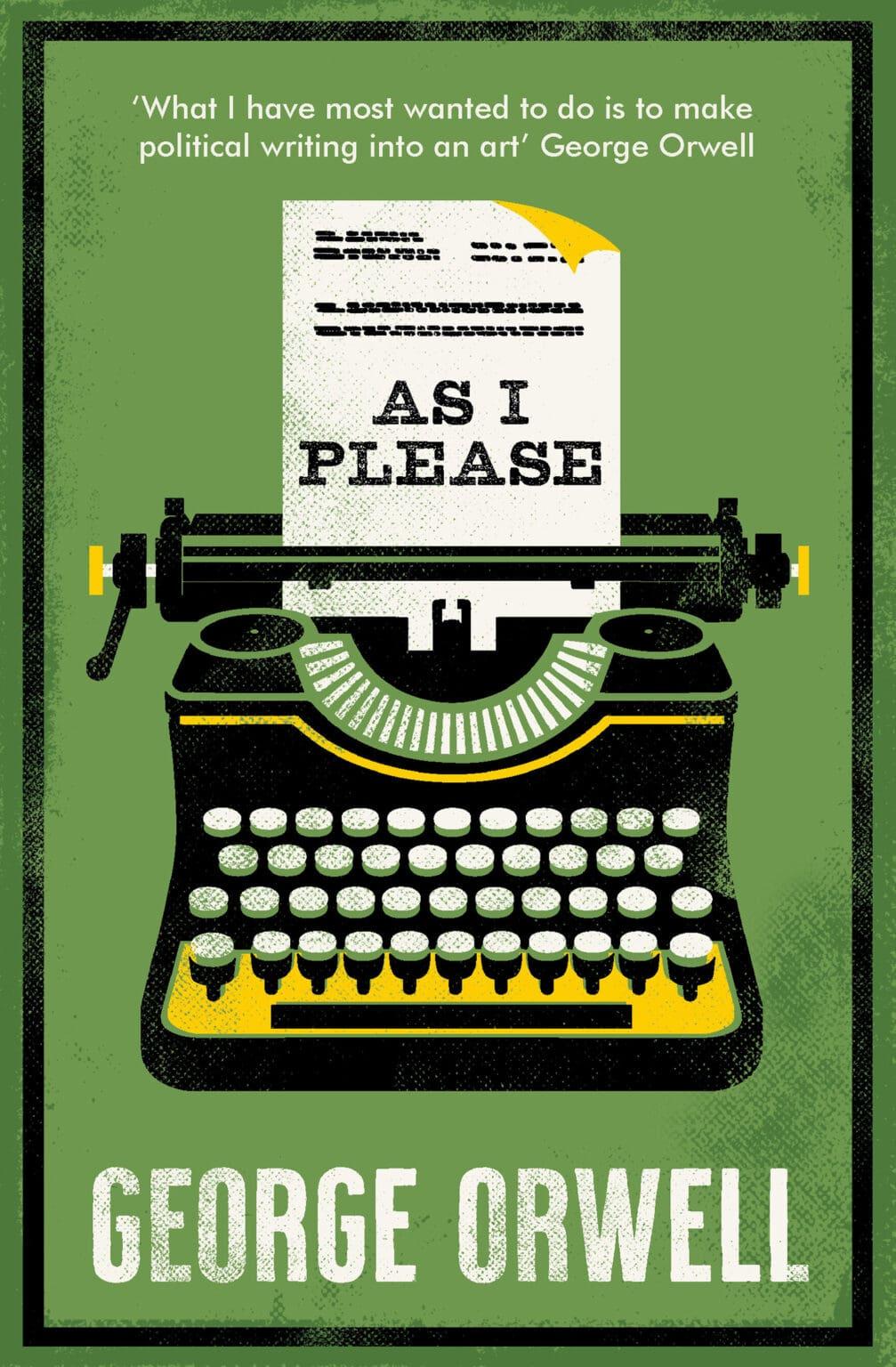 Alma Books
George Orwell | As I Please | Alma Books | 416 pages | 12.99 GBP
This clear-sighted perspective is evident in many of his columns. He criticises the left for unquestioningly following every volte-face of Russian propaganda, even deep within the intellectual circles of England. In his thinking and writing, Orwell is accountable only to himself. He is prepared to accept any material consequences this may entail. He is absolutely not prepared to sacrifice his critical mind to an ideology, as can be regularly observed, then and now. It is striking that many of his columns would only need to be minimally tweaked to transform them into contemporary descriptions of our times.
I can't sum it up any better than the text on the back of the book: "... they show one of the most important intellectuals of the 20th century as a clear-sighted diagnostician of the times. He writes uncompromisingly, humanely and incisively about progress, morality, conspiracy theories, social inequality and fascism. And the way Orwell analysed political manipulation, media alarmism and social division is like an alarmingly topical commentary on the present."
Orwell's interests and range of topics are extraordinary. He shies away from nothing. Not even the question of why people actually believe that it is more morally reprehensible to kill women and children than young men obliged to do their military service. Are the lives of young men worth less? Are all human lives not equal?
Only one article is slightly odd from today's perspective. With great zeal, he advocates a coal fire in the living room, which he feels is the most beautiful means of both heating and keeping the family together. Nevertheless, he is well aware of the dangers of coal. However, in his view, the warmth around which people gather and which brings them together outweighs the health risks.
Lutz W. Wolff refers curious readers to a biography of George Orwell (wonderful, full of stories), which was published in 1980 by Secker & Warburg in London and in 1984 in German by Suhrkamp/Insel and is now only available in second-hand bookshops. He also refers to the autobiographical Down and out in Paris and London (first published in 1933), republished in 1978 under the title Erledigt in Paris und London by Diogenes. Orwell was continuously penniless throughout 1933. The book is still available in English and German today. I learned from it, a quarter of a century ago, that if your last pair of dark socks have big holes in them, you blacken your feet with ink before setting off for a job interview as a dishwasher in an up-market Parisian restaurant.
For me, the anecdote stands for never letting yourself be beaten down, never selling your mind to an ideology or to the powerful, trusting yourself and following your own path, with all its ups and downs. For me, that is and remains the essence of what George Orwell wants to impart to us.
Did you enjoy this text? If so, please support our work by making a one-off donation via PayPal, or by taking out a monthly or annual subscription.
Want to make sure you never miss an article from Literatur.Review again? Sign up for our newsletter here.