



Abil Hasanov
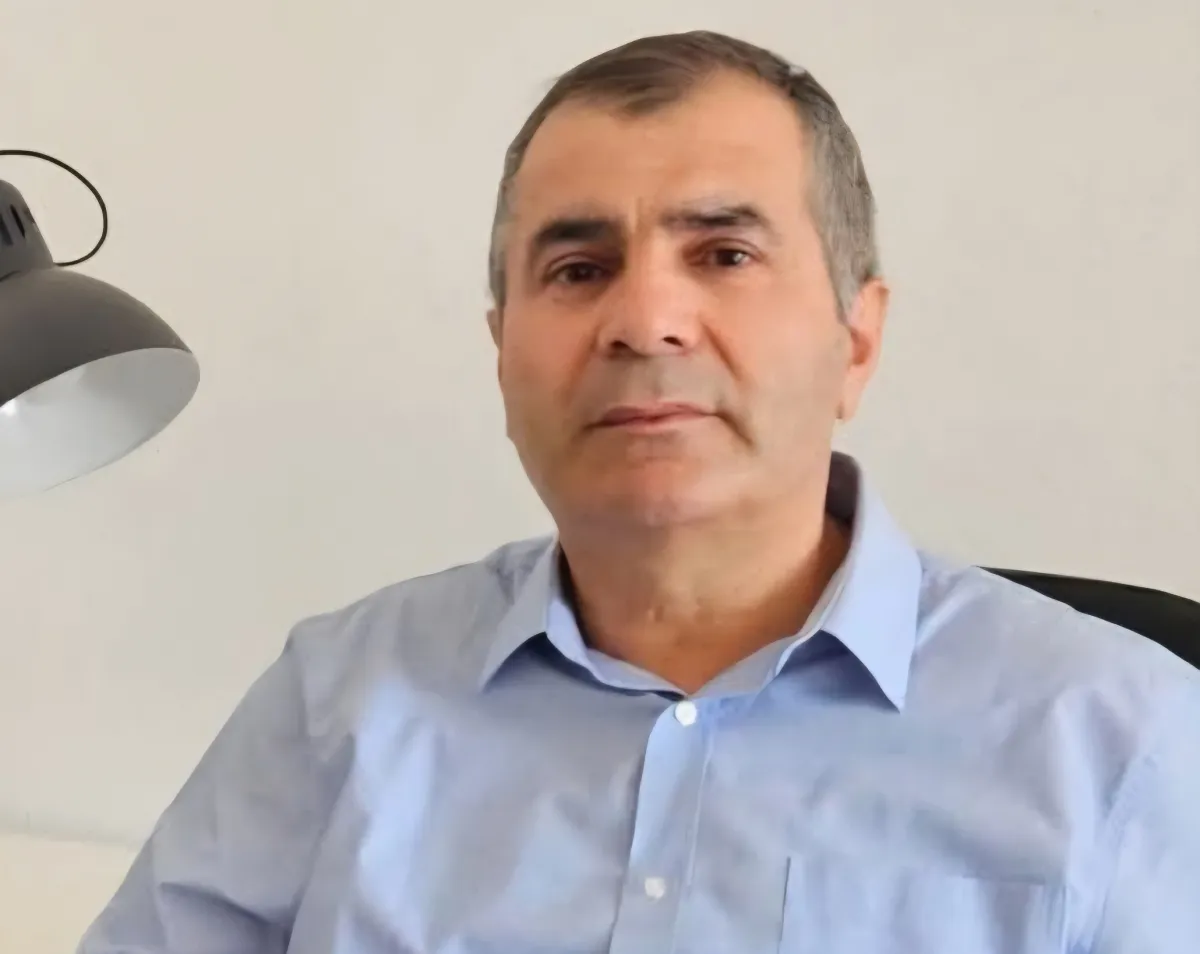
Abil Hasanov, born in West Azerbaijan in 1968, grew up in an era of tectonic shifts. His childhood and youth were overshadowed by Perestroika and the collapse of the Soviet Union – a historical caesura that not only reorganized political systems, but also biographies. His years of education also coincided with this transitional period, in which Azerbaijan broke away from the Soviet Union and gropingly sought its way to state independence.
For some time, Hasanov worked at the state film studio Azerbaijanfilm, named after the Azerbaijani writer Cəfər Cabbarlı. At the same time, he published journalistic texts in opposition media, in particular in the newspaper Azadlıq. His commitment to democratic reforms was not without consequences: He was repeatedly threatened with repression and arrest until he was finally forced to leave the country.
His book Das verlassene Vaterland (The Abandoned Fatherland) was published in Germany, and Die Angst, die Liebe zu verlieren (The Fear of Losing Love) in Turkey.
His literary work is borne of autobiographical experience and precise social perception. It combines personal memory with contemporary political history and paints a panorama of the Caucasus in which a longing for freedom, historical ruptures and fragile hopes intertwine.