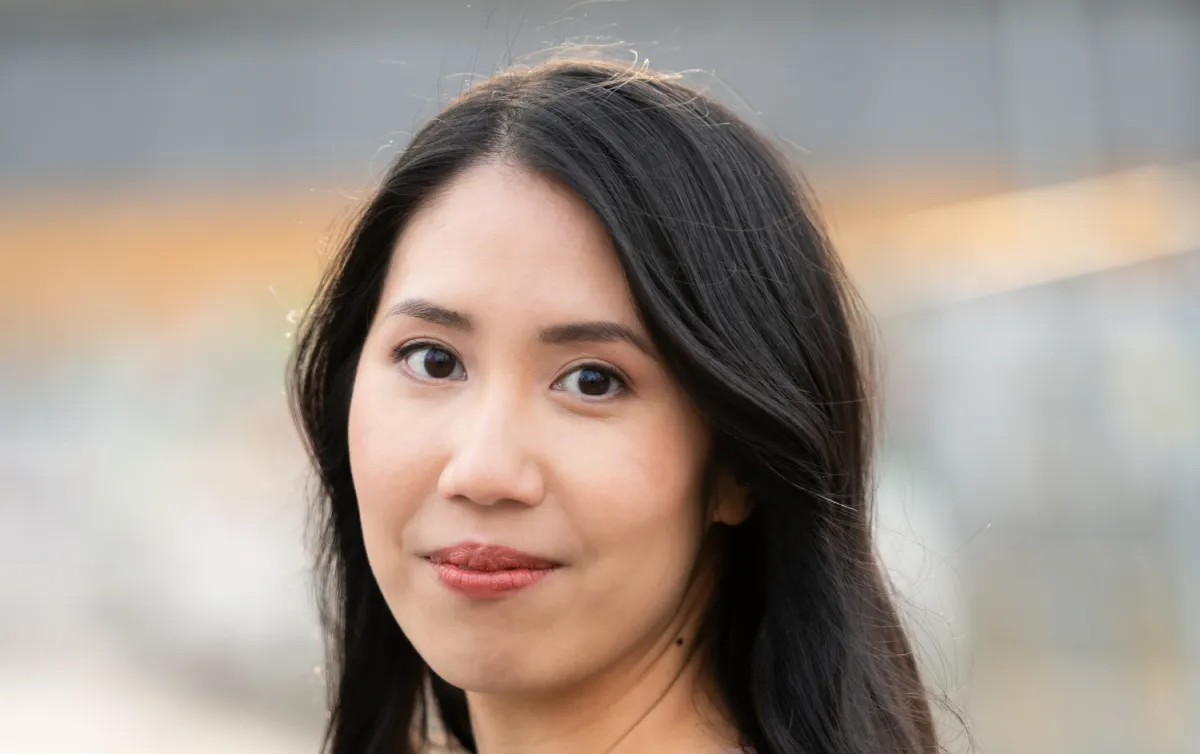
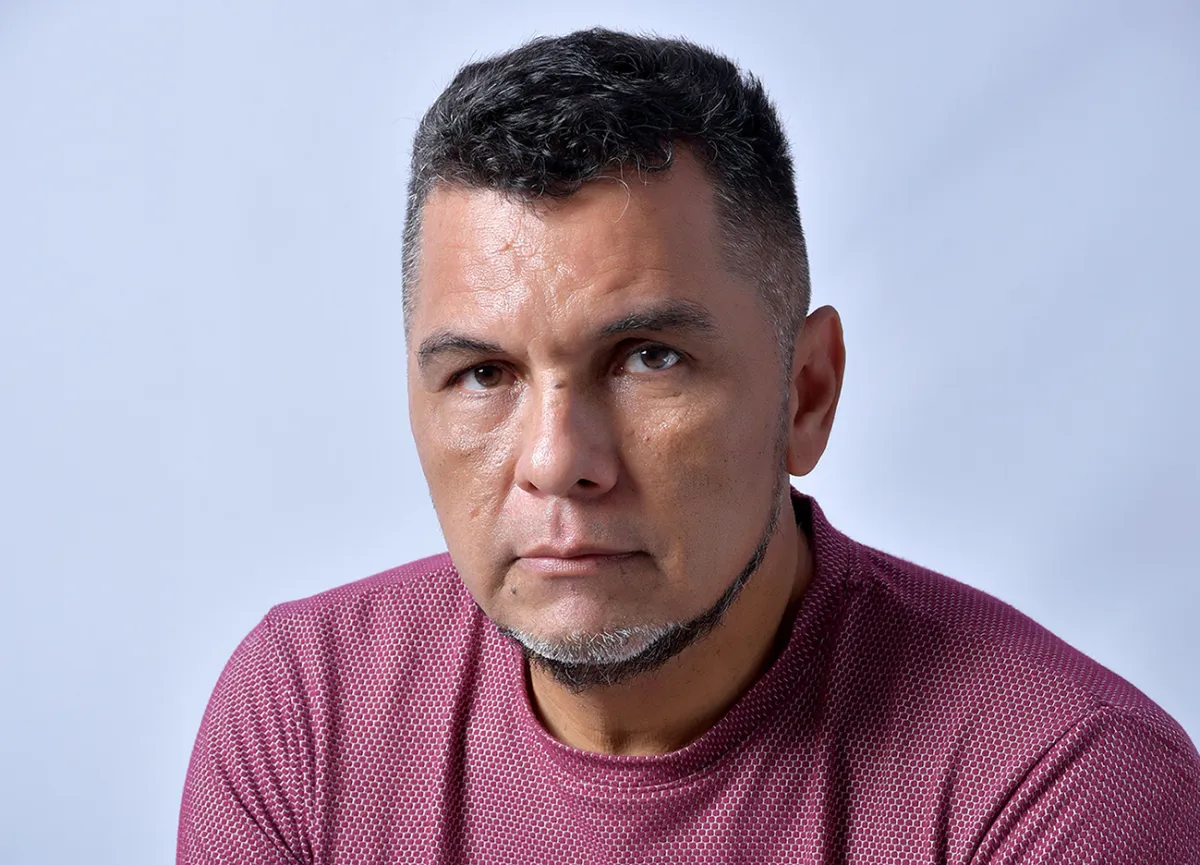
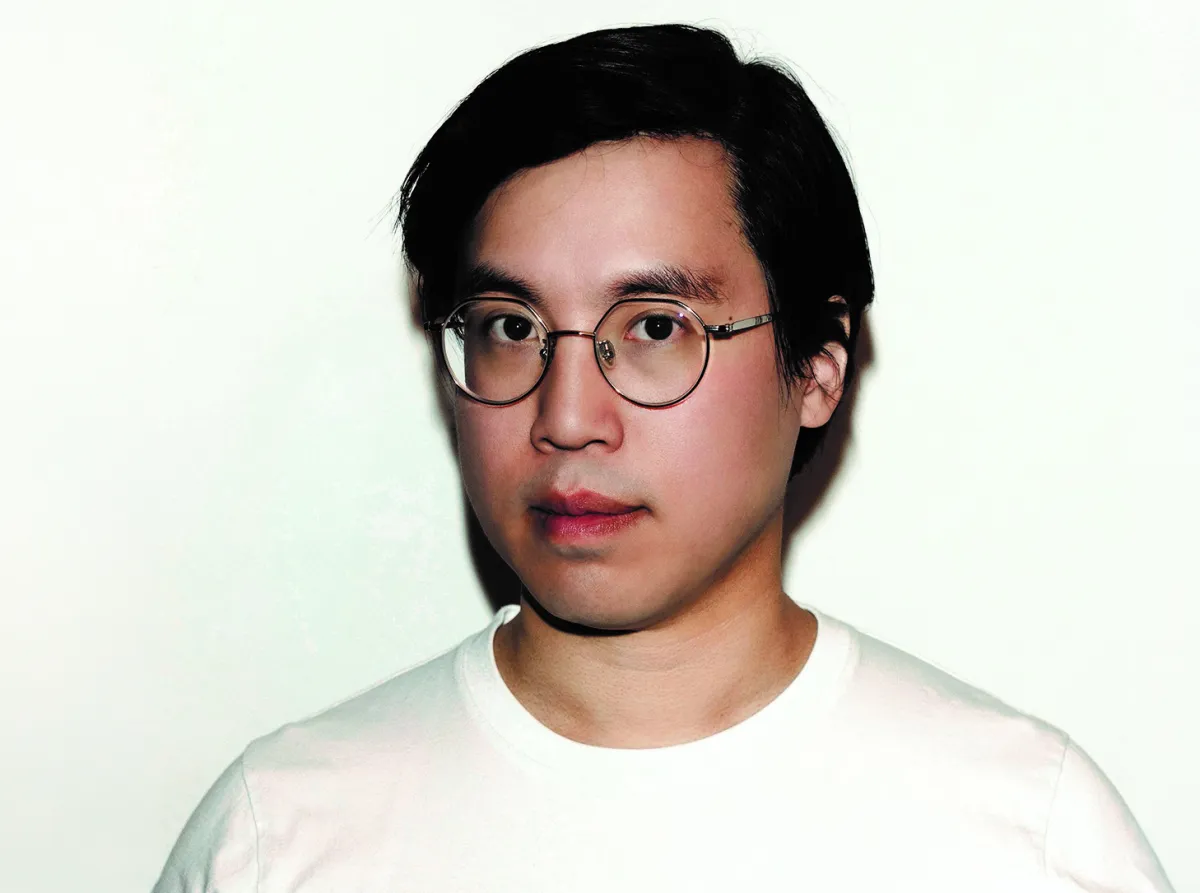
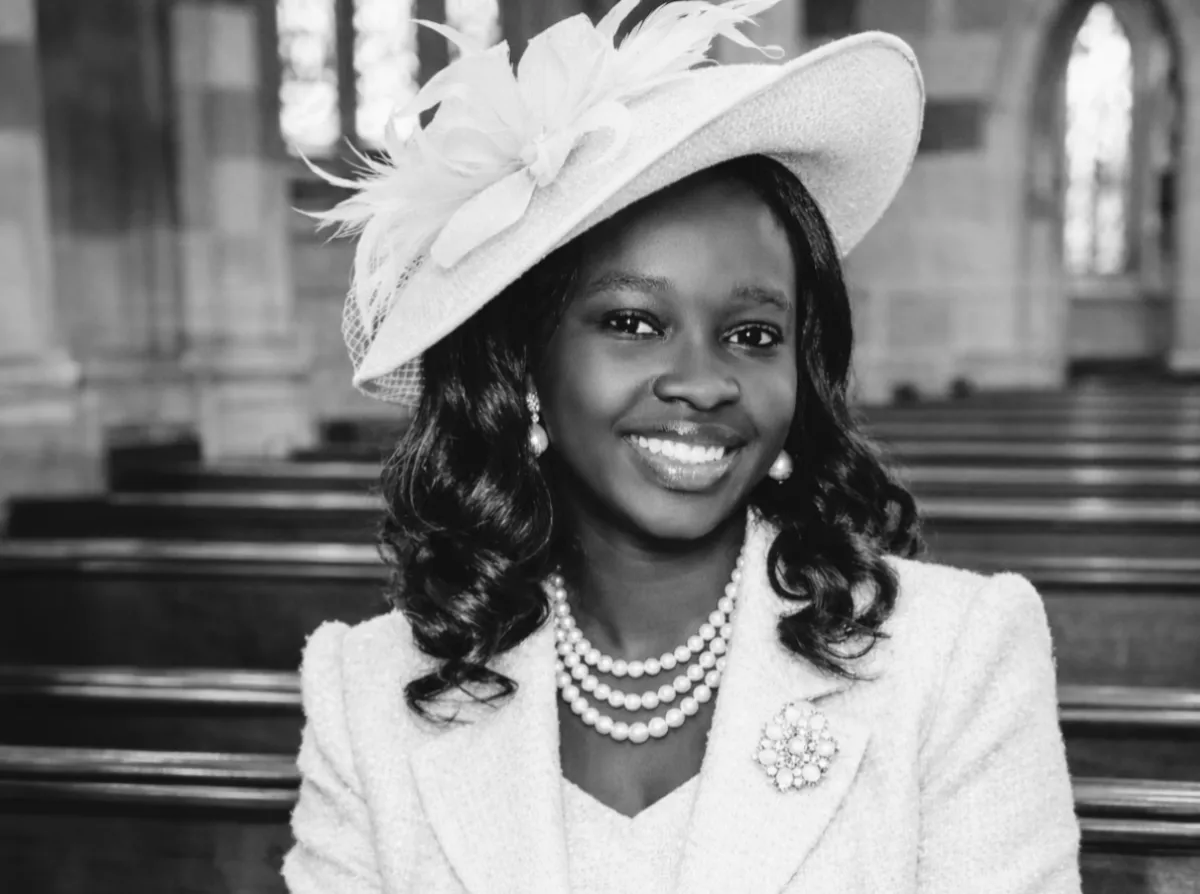
Tash Aws’s masterfully crafted novel "The South" tells the story of Jay, 16, who spends his holiday on his family’s farm in Malaysia. What begins as a coming-of-age story ultimately departs deliberately from that genre.
In “Ninan – Tiohtiá:ke, Montreal,” Michel Jean tells the story of an outcast homeless man’s arduous journey back into society, and shows how the role of those who trust you unconditionally is so crucial
Maielis González Fernández places the Black and Caribbean experience at the heart of a work of science fiction that challenges decades of exclusion and reimagines the future
Hamza Abu Howidy, a Palestinian, is committed to peace between Israel and Palestine. His book "Muscheln am Strand von Gaza" (Shells on the beach in Gaza) describes his life under Hamas’s reign of terror.
Donica Merhazion was born in 1979 in a prison in Addis Ababa. In "Born at the End of the World", she tells the story of her parents and of Asmara – from the open-minded city of the 1960s to the terror of the military junta beginning in 1974.
In "Schattenleben" (Shadow Life), Lisa Frühbeis and Jonas Seufert give four undocumented people a face and a name – names they are not actually allowed to have.
Like Alexander the Great, the U.S. president wanted to sever the Gordian knot of power dynamics in the Middle East. His sword was not sharp enough. Vali Nasr’s "Iran’s Grand Strategy" explains the background.
Set against the backdrop of a neonatal intensive care unit, dating apps, and the threat of war, Leh-Wei Liao’s 'Glaszeit' (The Age of Glass) tells the story of bodies and life paths that defy their supposed identities
From recognising others to defending a Kogui girl, it is clear how ethnocide originates in ways of thinking and how it can be prevented through action.
Cynical to the point of being unbearable: In Tony Tulathimutte’s multi-award-winning collection of short stories, "Rejection", the outsiders among the millennials raise their (literary) voices
Ugandan lawyer, poet and human rights advocate Awadifo Olga Norah on writing as ethical inquiry, the aftermath of violence, women as builders of peace – and literature’s power to preserve memory
In 'Leila & Khaled', Nyla Matuk tells not only of a return to Palestine, but also of the impossibility of escaping the images shaped by her own Western socialisation
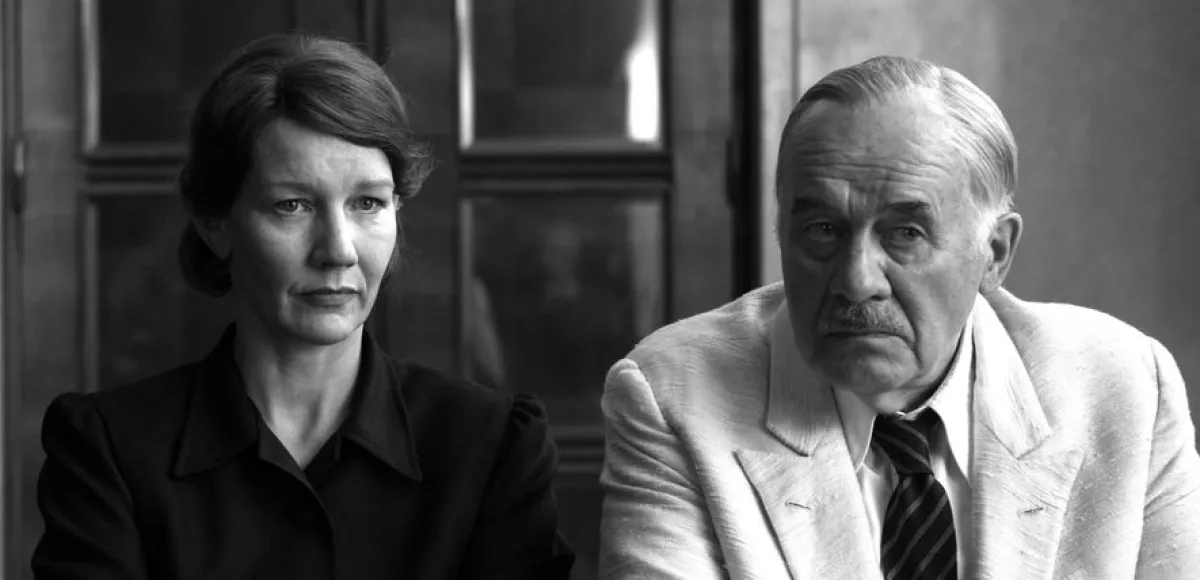
Erika Mann (Sandra Hüller) & Thomas Mann (Hanns Zischler)
With 'Fatherland', Paweł Pawlikowski responds to Colm Tóibín’s Thomas Mann novel with radical minimalism: a film of glances, pauses and empty spaces – overwhelmingly beautiful, though at times too ascetic