



The song of the heartbroken
 Orlando
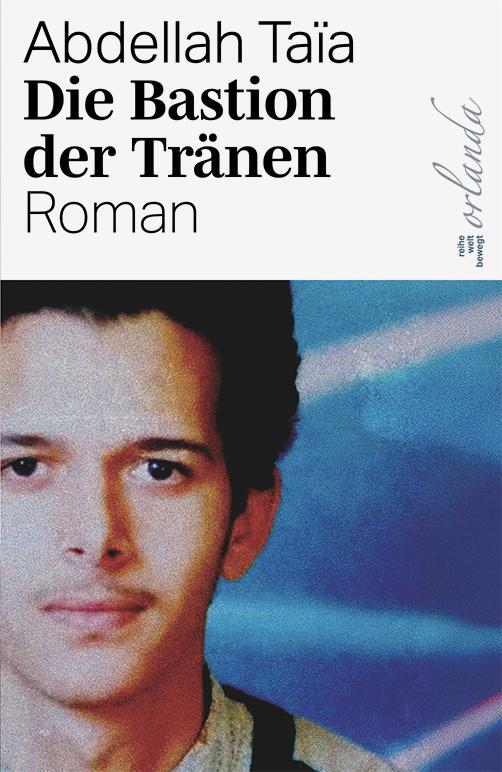
Abdellah Taïa | Die Bastion der Tränen | Orlanda Verlag | 188 pages | 22 EUR
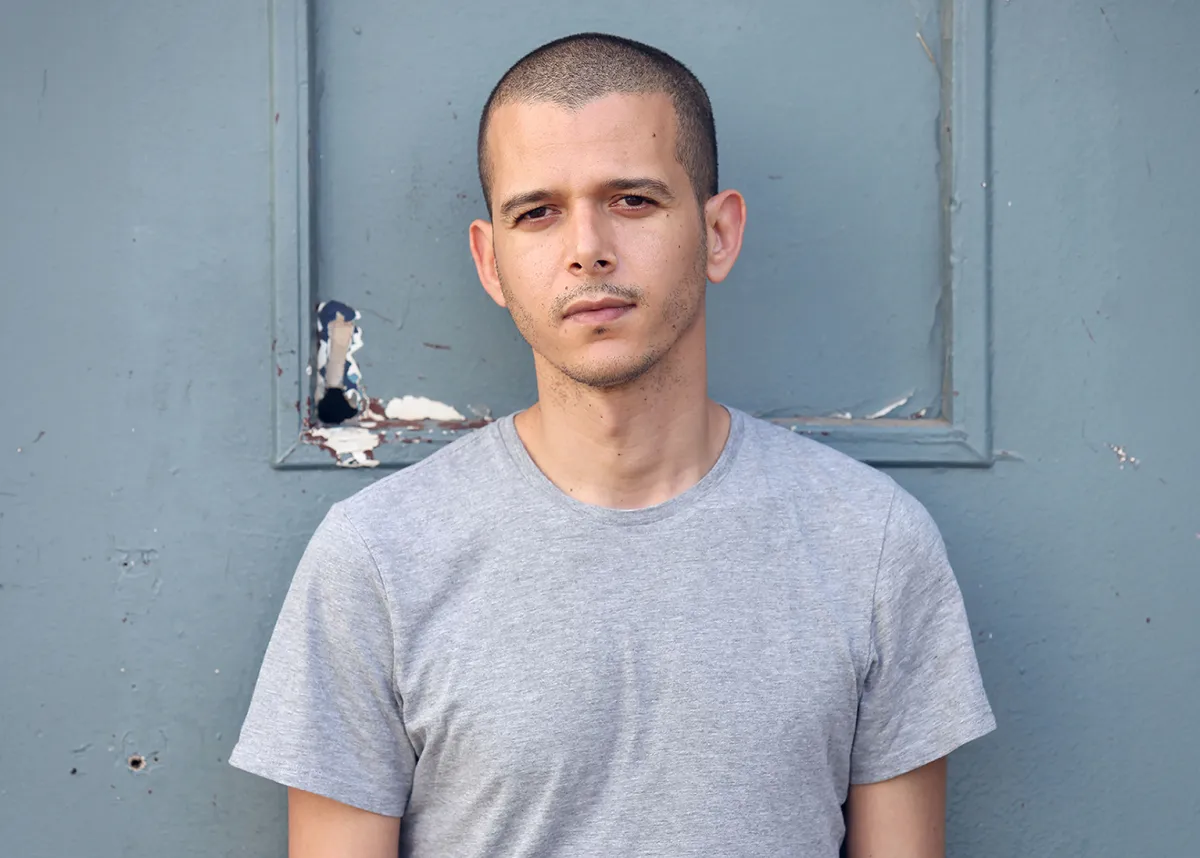
Moroccan author, journalist and director Taïa has been one of the most important voices in contemporary Francophone literature for years. His novels invariably revolve around exile, poverty, homosexuality, family ties and social norms. His public outing is all the more remarkable given that homosexuality is prohibited in Morocco under Article 489 of the penal code. In Die Bastion der Tränen (The Bastion of Tears), Taïa condenses these themes into a novel that is as painful as it is poetic, with an emotional impact rather than an external plot. The novel was shortlisted for the Prix Goncourt in 2024, has won several awards and has now also been translated into German.
The story centers on Youssef, a gay teacher who has lived in France for decades and returns to his hometown of Salé in Morocco after the death of his mother. Officially, it is an inheritance matter, but the journey actually leads deep into repressed memories. The streets of his childhood, the confinement of his family, the closeness to his six older sisters and the traumatic experiences of exclusion and violence resurface. In particular, the memory of Najib, his childhood friend and first great love, haunts Youssef with destructive intensity.
As Albert Camus once did in his famous cult novel The Stranger ("Today Mama died. Or maybe yesterday, I don't know."), Taïa also begins his novel directly with the news of his mother's death:
"My sisters had three days to pay off our late mother Malika's debts.
Not a day more.
They said that Moroccan tradition demanded it."
While Camus establishes the sense of the absurd and the rejection of social conventions with his famous opening sentence, it is precisely these outdated conventions that appear to be the defining force of Moroccan society in Taïa's work.
"People were very surprised and at the same time very touched by what my sisters were doing.
They understood that the sisters were on a mission to preserve their mother's honour
– 'for the eternal rest of their mother'."
Taïa tells his protagonist's story in a non-linear fashion. Layers of memory overlap, voices suddenly break off, scenes sometimes seem more like feverish images than classic passages from a novel. However, it is precisely this approach that creates a peculiar intimacy with the character's inner state. Youssef moves through Salé like a ghost of his former self. The city is far more than a mere backdrop: it becomes the true heart of the novel. Salé appears as a place of contradictions - full of beauty, but also marked by poverty, religious austerity, latent violence, and overt abuse. A French review aptly described the city as "vibrant and terrible at the same time".
Particularly impressive is how Taïa weaves together personal and historical traumas. The titular "Bastion der Tränen" refers to the old fortifications of Salé and to a historical memory of loss, displacement and collective mourning. This history is reflected in the lives of the characters: they too live with absences, with shame, and with unhealed wounds. The novel repeatedly asks whether reconciliation is even possible - or whether pain inevitably becomes self-destruction and revenge.
Formally, the book comes into its own with Taïa's unmistakable language. It is both simple and highly poetic. Many sentences seem to be torn from an inner monologue: short, rhythmic, almost incantatory. Then again, the text can blossom into lyrical passages of great beauty. This is precisely where the novel's strength lies. Taïa explains little; rather, he explores feelings that can hardly be rationally ordered: longing, humiliation, desire, shame and tenderness coexist simultaneously.
The portrayal of the female characters is also remarkable. Youssef's sisters are not marginal figures, but emotional anchors of the novel. They embody both solidarity and toughness, are victims of patriarchal structures yet at the same time, survivors. It is in the scenes of their shared childhood that the novel finds its greatest warmth; here that the book is prevented from sinking into pure despair.
However, Die Bastion der Tränen demands a lot from its readers. Anyone expecting a clear plot or psychologically well-explained developments might quickly be put off by the fragmentary structure. Some passages seem deliberately repetitive; memories return in variations, as if the language itself cannot overcome the traumas. But this is probably the literary consequence of this novel: pain cannot be recounted in an orderly fashion.
The result is a book that is less read than experienced. Taïa writes about homosexuality in the Moroccan context, about exile and social violence, without ever lapsing into sociological explanations. Instead of formulating theses, he concentrates entirely on wounded bodies and fragile relationships. This is what creates the novel's intensity.
Die Bastion der Tränen is therefore not an easy novel, but an important one. It combines autobiographical intimacy with literary concision, forming a melancholy elegy on origins, shame and the impossibility of escaping one's own past. Ultimately, what remains is the image of a character who sways between forgiveness and anger – and a city whose wounds are as deep as those of its inhabitants.
Did you enjoy this text? If so, please support our work by making a one-off donation via PayPal, or by taking out a monthly or annual subscription.
Want to make sure you never miss an article from Literatur.Review again? Sign up for our newsletter here.