
Ethnologist Heike Behrend is researching a German provincial prophet who ran a commercial "Garden of Paradise" in the Altmark region in the early 20th century
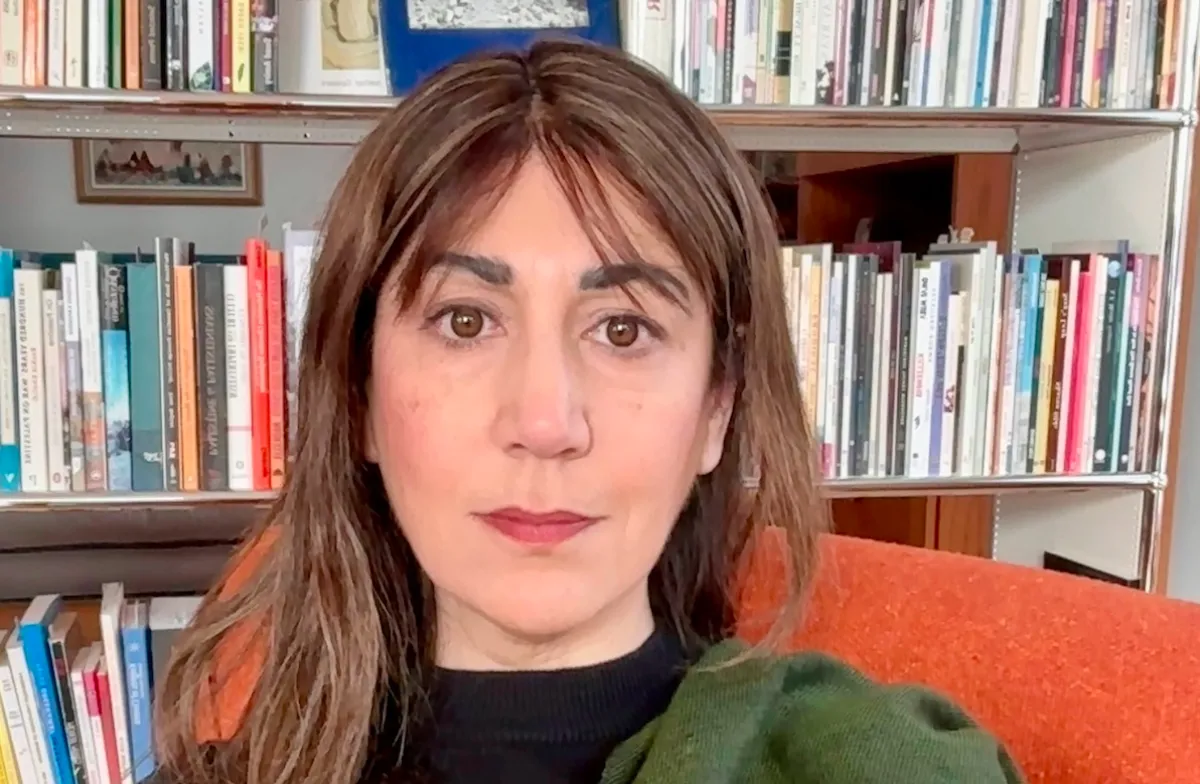
A conversation with Lebanese writer Iman Humaydan about her latest novel, Lebanon, memory, patriarchy, migration – and why literature is stronger than a manifesto
Lebanese writer Iman Humaydan speaks about her novel 'Songs for Darkness', the memory of war, women’s lives, migration, and why literature can preserve what history and politics often erase.
Today’s financial elite are ultra-rich. The term refers to the ultimate level of wealth, beyond anything that can be tangibly grasped. In “The Haves and Have-Yachts”, Evan Osnos brings us news from another world.
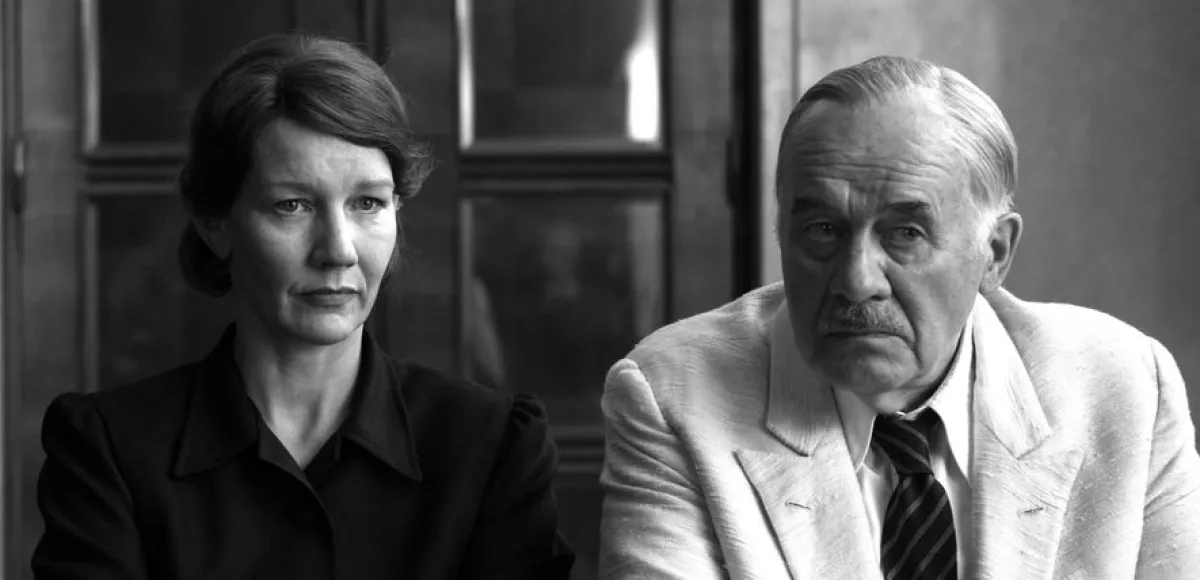
If only Christopher Nolan had listened to James Joyce. Instead, he transforms Homer’s fluid, ambiguous 'Odyssey' into a rigid monument of masculine pathos, plot-driven drama, and sensory overload.
Is humanity an unsolvable enigma? A critical reflection on the limits of the human sciences, the impossibility of fully understanding the other, and the crisis in our understanding of humanity
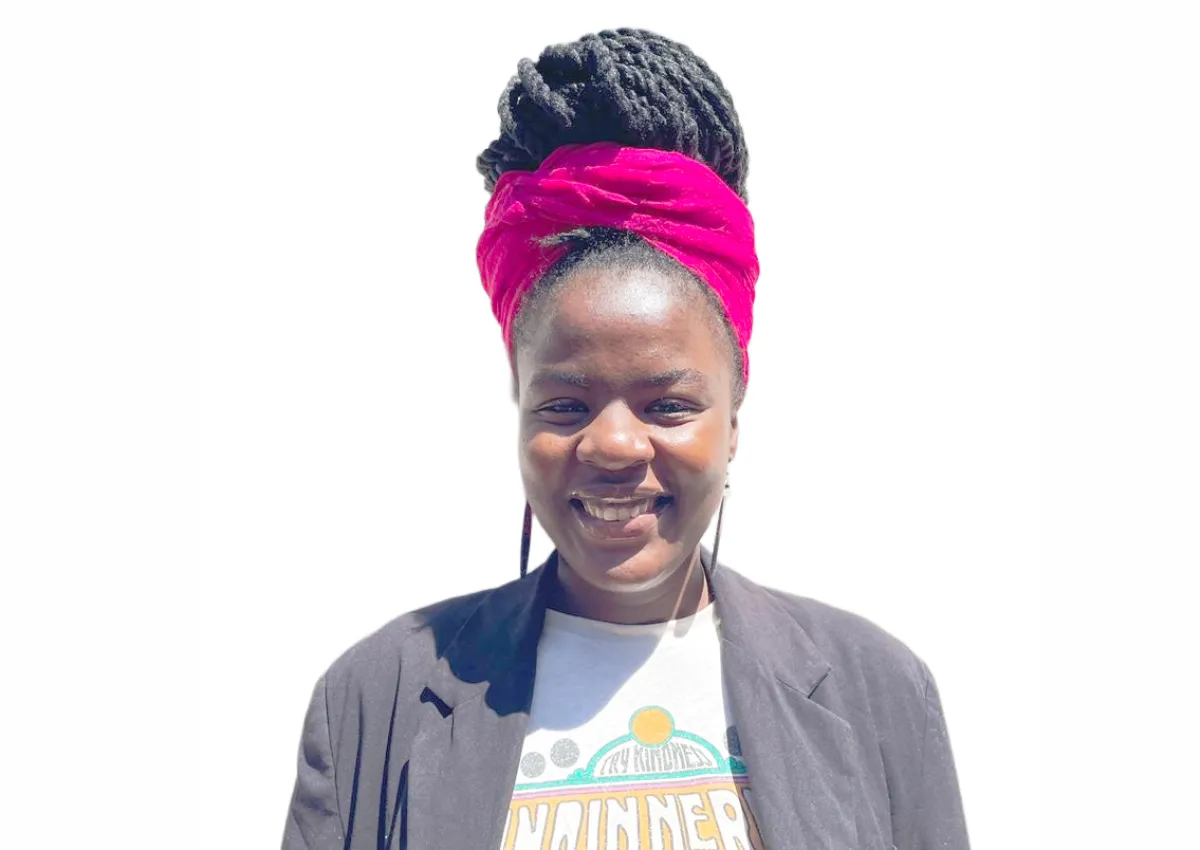
Award-winning Ghanaian writer Daniel Naawenkangua Abukuri on grief, belonging, Black imagination, literary life in Ghana, and why writing began with unfinished drawings
What does waste tell us about our world? An exhibition in Dortmund traces the global journey of waste, highlighting the connections between the economy, waste, and recycling, and looks at the consequences for people and the environment
Yang Shuang-zi’s award-winning novel 'Taiwan Travelogue' blends colonial history, desire and culinary art with as much emotion as intelligence – and every dish is allowed to tell a story of power
Ziyu Wang, Lads, 2023 – Aus der Serie "Go Get'Em Boy"
How does Gen Z view the world? Photographers from this generation – born between 1995 and 2010 – are now exhibiting their work in Frankfurt am Main, following their presentation at Photo Elysée in Lausanne.
In "The Anarchy", William Dalrymple recounts how the British East India Company conquered the mighty Mughal Empire, plundered the wealthy region of Bengal, and, in its day, became an early symbol of global corporate power
Abdellah Taïa's "Die Bastion der Tränen" is a poetic and painful novel about homosexuality, exile and the incurable wounds of origin, family and social confinement in a Morocco of memory
A billionaire, the blood of young women, bomb-making, Islamists online: Madeline Cash collects contemporary conspiracy theories. It’s funny, but why does 'Lost Lambs' remain silent when power is laid bare?
Mandela is analyzed here less as an heroic historical figure than a contested symbol of transition between political epochs. A reflection on neoliberalism, generational rupture, and the unfinished promises of post-apartheid South Africa.
A critical reflection on the deep origin of human rules: prohibition, culture and social unconscious versus the rationalist fictions of liberalism and contemporary Marxism
During the covid pandemic, journalist Angelique Geray wanted to understand the thinking behind covid deniers and why they become conspiracy theorists. To do this, she created a cover identity.
In "Edo's Souls", Stella Gaitano condenses family history, civil war and the female experience into a novel of poetic force and analytical clarity, impressive also in its language and structure
Why the combination of mysticism, ontology and radical truthfulness of the Hurufi poet Imadeddin Nesimi continues to have an impact today – as a challenge for individual freedom, language and lived conviction