



Mission, power, Messiah
 Archipelago Books
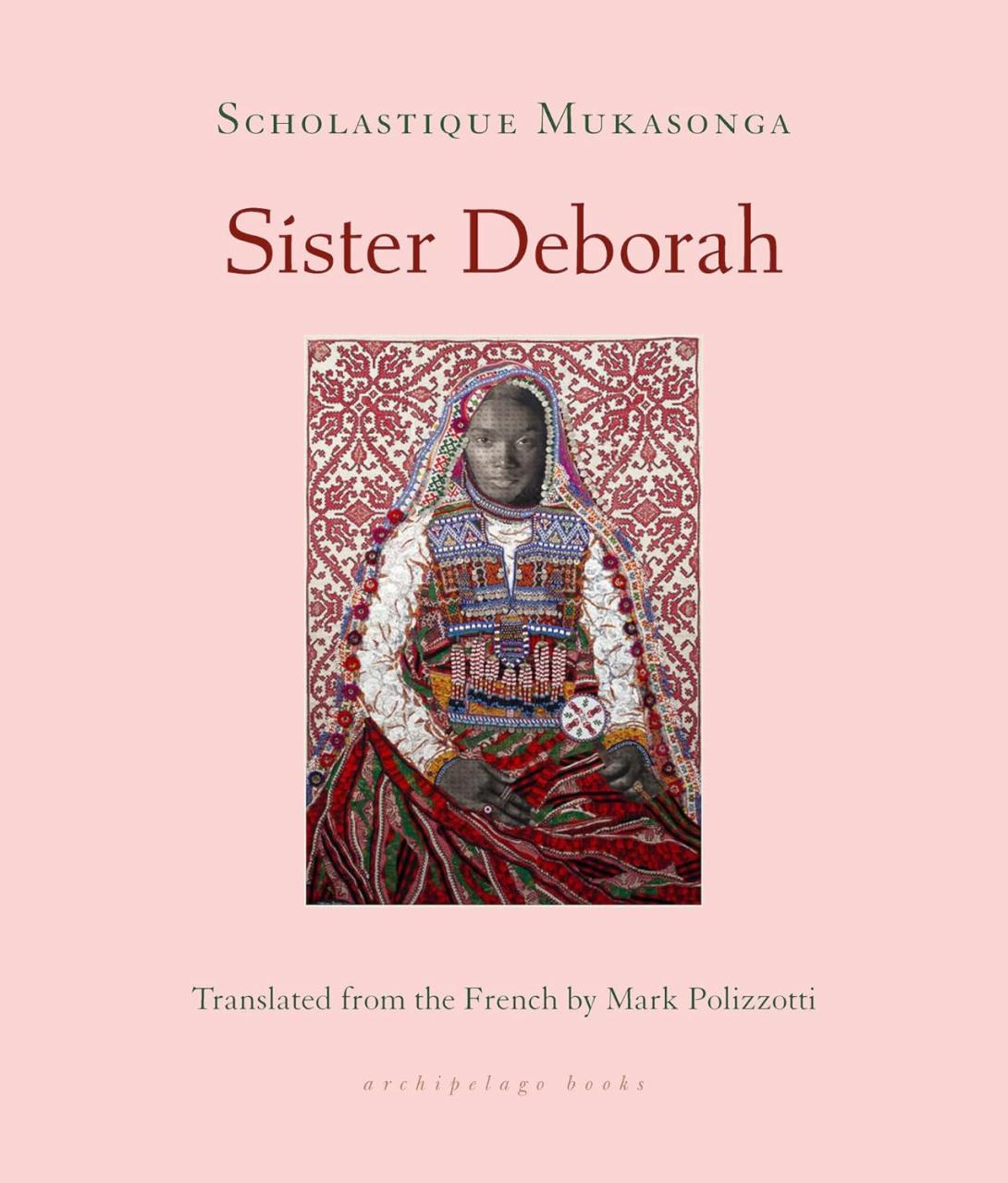
Scholastique Mukasonga | Sister Deborah | Archipelago Books | 135 pages | 19 USD
One could take Sister Deborah for an historical novel: Rwanda in the 1930s, an American missionary on a forbidden hill, rumours, ecstasies and then a disappearance. But Scholastique Mukasonga goes beyond literary archaeology. By tracing the arrival of a charismatic preacher in East Africa, she also uncovers the early links between evangelicalism, Pentecostal movements and colonial power, which continue to have an impact in sub-Saharan Africa and elsewhere. The novel shows how religious promises of salvation shape not only souls but also social orders, and how spiritual mobilisation gives rise to its own political dynamic.
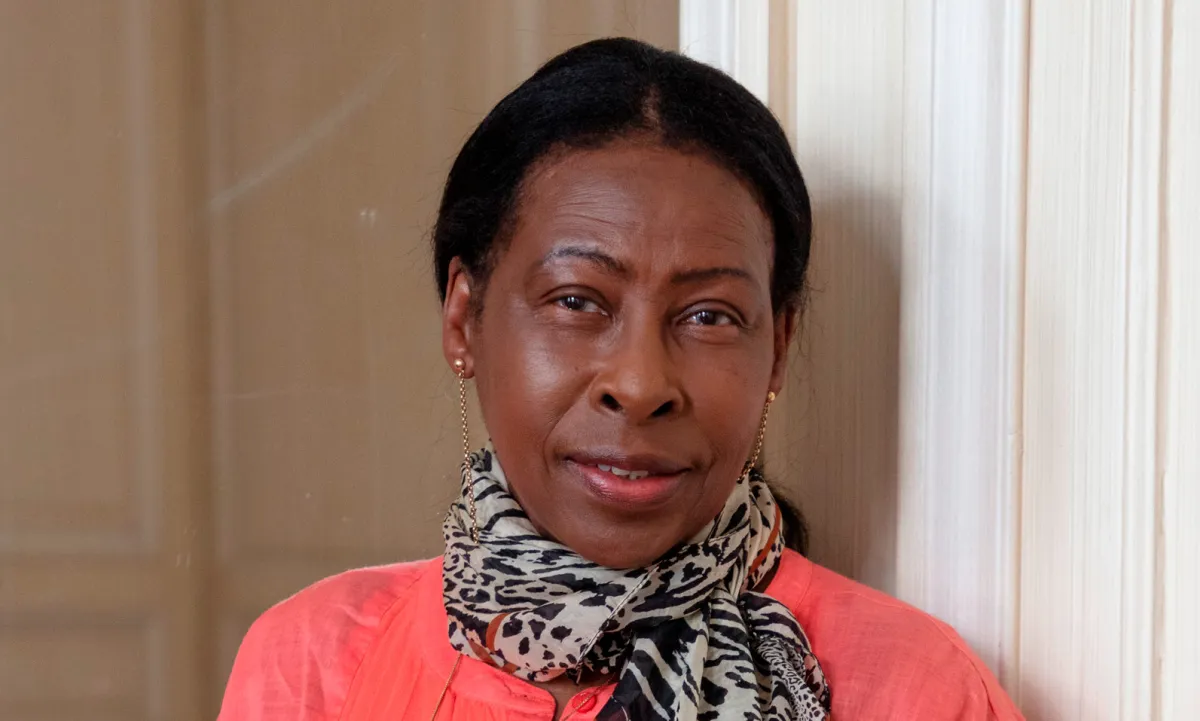
Mukasonga, who was born in Rwanda and now lives in Normandy, has received numerous awards, including the Prix Renaudot. Her prose is calm, verging on austere. She eschews pathos, using a language whose simple power unfolds through its almost biblical grace. Her novel initially tells of a "strange mission" on the forbidden hill of Nyabikenke, a place once reserved for nocturnal ceremonies, in the sacred Kigabiro forest where the coral tree with the "red blossoms, the blood of Ryangombe" is found. The fact that an American preacher proclaims the Messiah as a black woman here, of all places, is both a provocation and a promise.
The figure of Deborah fluctuates between prophetess and collective projection from the very beginning. The villagers discuss her nightly baths, her supposed infertility, and her beauty - "slim, slender as a gazelle" or cursed? Their voices reflect less gossip than the insecurity of a society torn between animistic traditions, colonial order and a new Christianity. Mukasonga portrays all this without exoticism. She shows how religious ecstasy and social dynamics intertwine: armed women and children march over the hills, uproot coffee bushes, assault an agronomist - scenes that not only mark local revolts, but also make a specific form of spiritual mobilisation visible.
At this point, a comparison with the Ugandan prophetess Alice Lakwena is inevitable. Her Holy Spirit movement of the late 1980s - precisely reconstructed and analysed by the ethnologist Heike Behrend in Alice and the Spirits - also combined charismatic visions with military organisation. Lakwena, who claimed to be possessed not only by a holy spirit, gathered warriors around her, achieved unexpected victories and led a regularly structured "spirit army" against the state-run Ugandan National Resistance Army. Women played a central role, rituals structured warfare, and purity laws and spiritual instructions replaced strategic calculation, at least superficially. Behrend shows the extent to which this movement swung between political resistance, apocalyptic expectation and performative staging. Mukasonga's novel does not draw a direct parallel, but the structural similarities are recognisable: here, too, female prophecy, collective ecstasy and violent mobilisation condense into an event that is quickly classified as "madness" or "sect" by colonial and state authorities. The fact that Sister Deborah - like Lakwena - eventually "disappears" and lives on in rumours reinforces this historical resonance.
The colonial administration reacted in much the same way as the Ugandan army would later do. Askari are dispatched, warning of "sects from South Africa", and an "explosive mixture of apocalyptic Baptism, voodoo rituals and animistic witchcraft". In the reports, the conspiracy of a "Jewish-black secret society" looms large. Mukasonga exposes this documentary language to highlight its absurdity. In the end, all that remains of the "Nyabikenke incident" is a typed page in the archive - history as a marginal note that might one day be cited in a dissertation. It is fitting that Ikirezi, a professor at Howard University, reconstructs this story in a present-day narrative.
In Washington, the once sickly Ikirezi wonders who she really is: the academic or the chosen one touched by Deborah? Was it "a mysterious force flowing from Sister Deborah's cane and hands" that led her to Louvain and on to Howard? The novel maintains this ambivalence - educational success and belief in ghosts - without irony. It accepts that biographies may not be composed entirely of rational decisions.
In the third part, Deborah herself has her say. Her coming of age in the USA, characterised by speaking in tongues, apocalyptic sermons and the conviction of a reverend that her ecstasies originated from an "African dialect", combines American Pentecostalism with an African longing for redemption. The journey via London, the Church Missionary Society, Cambridge and finally to the Ugandan cabal shows the professional and strategic organisation of missions: medical benefits as a pretext to conceal chiliastic views. This makes it clear how closely intertwined spirituality, institution and geopolitical calculation were and still are today.
Deborah's later existence as Mama Nganga, as a healer or "witch doctor" in a Nairobi slum, deconstructs the myth and preserves it at the same time. She denies having been a queen, confesses to selling the "sceptre", and yet the ghostly journeys to the realm of the dead, the vision, her own corpse in a mat, the bitter taste of leaves that bring her back to life remain. Mukasonga allows the miracle to exist within the narrative without authenticating it.
The novel's finale, in which a reverend sets the apocalypse on August 6, 1955, demonstrates the logic of the apocalyptic: passports to heaven, America as an ark, a remnant of the chosen. The impatience of the faithful tips over into disaster. And yet the novel does not end with cynicism, but with an open expectation: "It's not me who stops ... it's just the end of the story." The hoped-for "she-who-comes" is not born, but is brought into the world as a book - Female Messiahs. In a sense, literature replaces the Messiah.
Sister Deborah joins the ranks of those sub-Saharan novels of recent years that reimagine historical material; think of Petina Gappah's Out of Darkness, Shining Light about David Livingston and his bearers or Maaza Mengiste's depiction of the struggle of Ethiopian warrior women under their emperor in colonial times in The Shadow King. But Mukasonga is less interested in heroic counter-narratives than in the fissures between faith, power and memory. Her prose also explores how to break free from the dictates of charismatic Christianity, in a similar vein to the novel published last year by Ugandan author Iryn Tushabe, Everything is fine here.
Sister Deborah is not only a novel about a past that goes back almost a hundred years, but also a literary genealogy of contemporary power relations. Mukasonga shows how the expectation of salvation, colonial rule, female bodies and political utopia can become intertwined. The real power of the novel lies in this intricate connection. And, of course, in its unsettling relevance today.
Did you enjoy this text? If so, please support our work by making a one-off donation via PayPal, or by taking out a monthly or annual subscription.
Want to make sure you never miss an article from Literatur.Review again? Sign up for our newsletter here.