


Where decisions speak softly
 Penguin
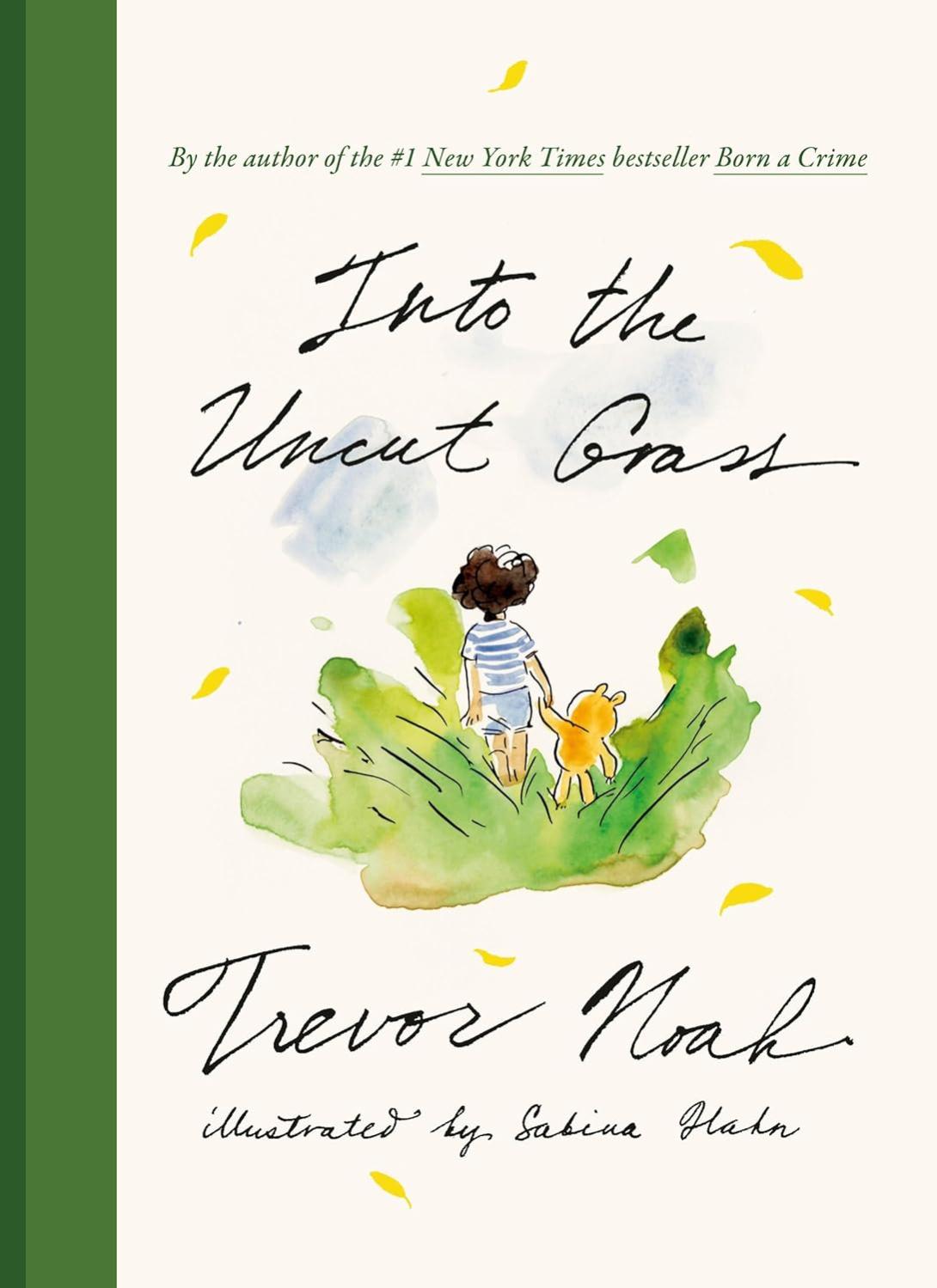
Trevor Noah | Into the Uncut Grass | One World | 128 pages | 26 USD
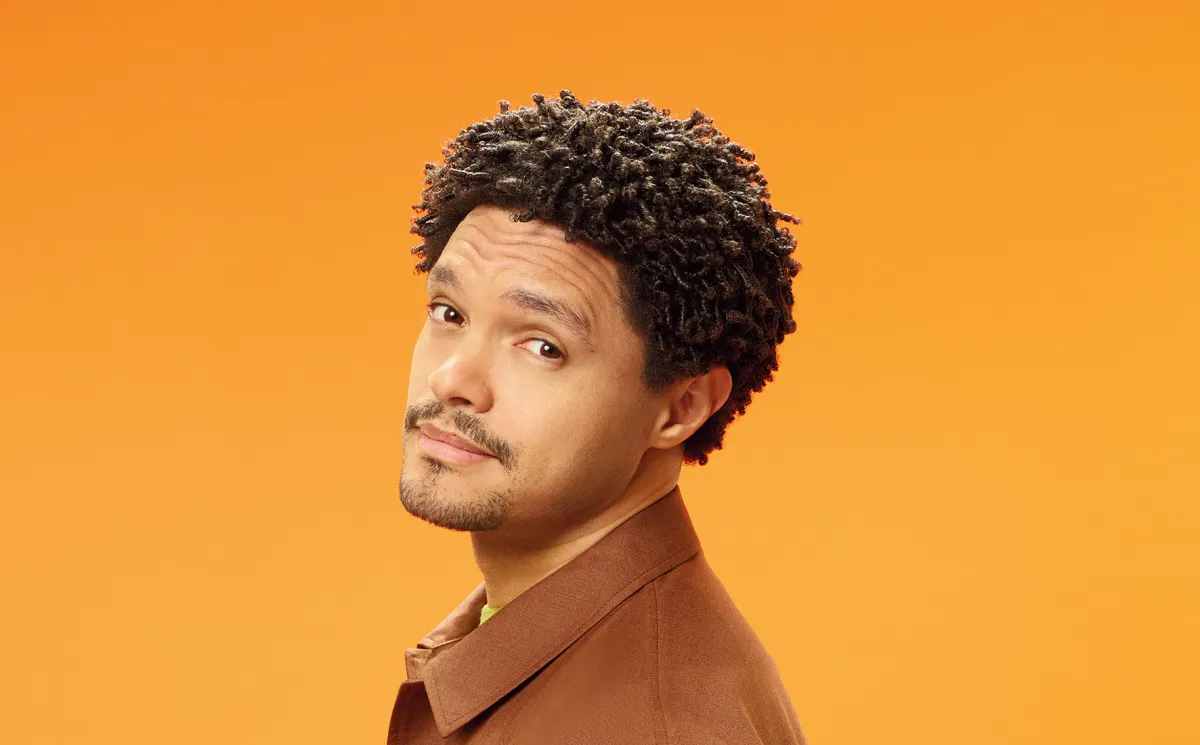
Trevor Noah is currently more in demand than ever as a global presenter, author and politically astute entertainer. Between world tours, podcasts and social debates, following a long stint as presenter of "The Daily Show", he has published his second book, The Tall Grass. This time, the autobiographical fragments and survival humour of Noah's South African homeland, and the fascinatingly complex and grotesquely realistic kaleidoscope of his childhood in Soweto - all components that made his first book Born a Crime so concise and extraordinary - are absent. Instead, Noah dares to step into the world of children, a realm where stories can still unfold gently.
Together with New York illustrator Sabina Hahn - who grew up in Riga, her childhood spent living and breathing drawing - Noah has created a modern fairy tale; a fable full of quiet strength, reminiscent of a globalised Winnie-the-Pooh and not only for the characters Teddy Bear and Child. There is nothing loud in this book. Everything is rhythmic, soft, but clearly set. Even the starting point is a quiet rebellion: a boy and his teddy bear flee from adult rules and end up in the tall grass, in a place "where they have never been before".
What follows there is a walk through a world that seems both familiar and enchanted. Hahn's illustrations appear as if they themselves have crept into the story - humorous, subtle, never intrusive. Clearly, their purpose is to accompany, rather than explain.
The characters that the boy and his teddy bear encounter are, if bizarre, sharply observed images of today: two coins, for example, philosophising about the absurdities of human conflicts. "We've travelled the world, from one pocket to the next," says the older one. "And everywhere we've been, we saw people arguing over banalities." The small coin adds dryly: "One wants to travel by bus, the other by train. One wants to buy sweets, the next a potato."
The scene is a small, luminous 'Noah moment': wit, worldliness and childlike clear-sightedness seeming here as if they have always belonged together. And then comes one of those sentences that in a children's book seem innocuous, but is actually existential: "You can't blame happiness!" - a line that sounds like a life confession from the pocket of a traveller who has seen enough.
The coins also give the boy a kind of metaphysical serenity. When he wonders about the potential consequences of a wrong decision, or what fate might hold, the old coin answers with disarming clarity: "Sometimes you make the right decision and things go wrong, other times you make the wrong decision and everything goes well." A sentence as light as a leaf lost in the tall grass - and at the same time so true as to be almost uncomfortable to us adults.
But probably the most beautiful passage belongs to Walter, a character whose wise words are spoken humbly: "If you still call it home, you can always go back." A sentence that gets to the heart of the book: you have to leave to understand that home is less a place than an echo.
Into the Tall Grass is a children's book, but it is also a moral tale without the sermonising. Noah and Hahn present a light, airy narrative that does not preach kindness but shows it, does not invoke curiosity but practices it. The pictures carry the text, the text plays with the pictures - and the two together result in a book that invites you in without being overwhelming. It is a beautifully designed work, cleverly and playfully interwoven, full of "trevorness", but a world away from the stand-up stage. A book that proves that you really can't blame happiness. And that sometimes the greatest adventure lies in simply moving on - until the tall grass releases you again.
Did you enjoy this text? If so, please support our work by making a one-off donation via PayPal, or by taking out a monthly or annual subscription.
Want to make sure you never miss an article from Literatur.Review again? Sign up for our newsletter here.