


When Love Crosses the Line of Faith
 Hazawiaward
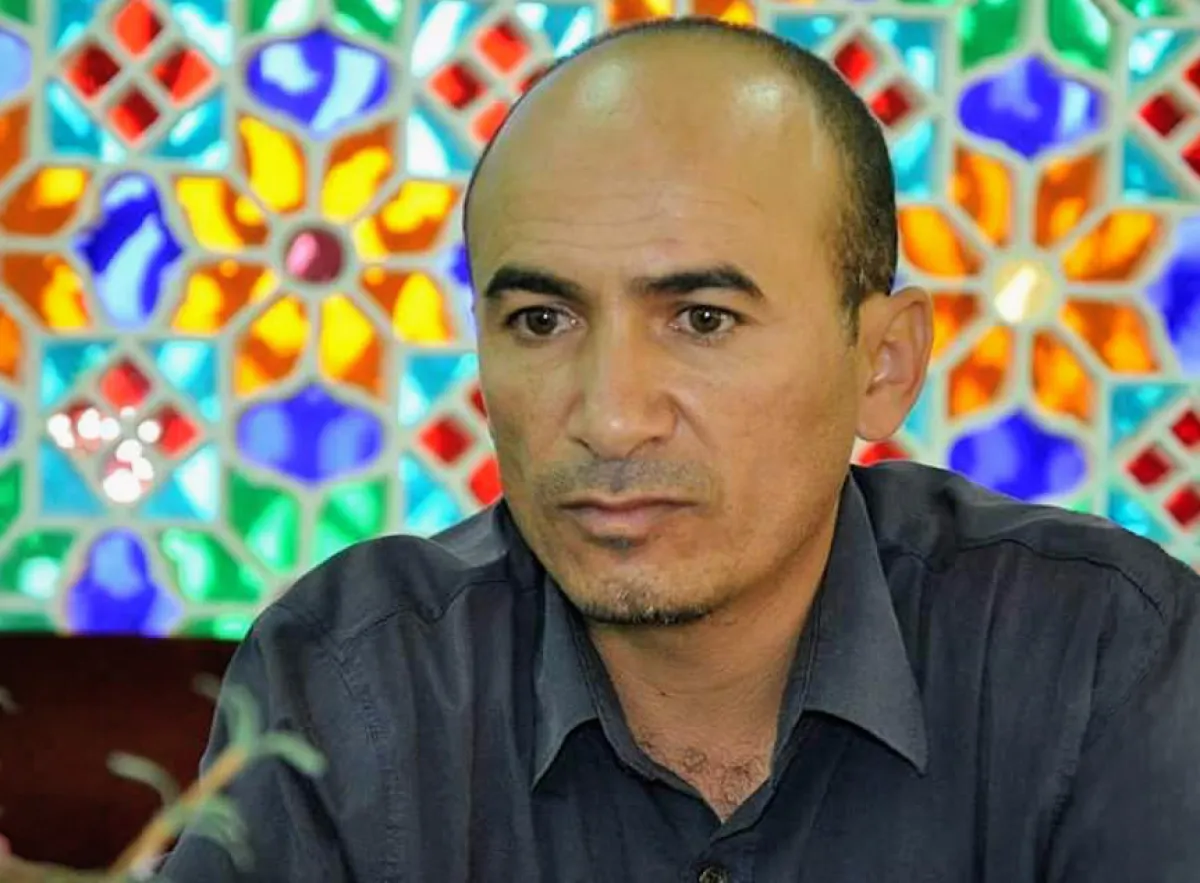
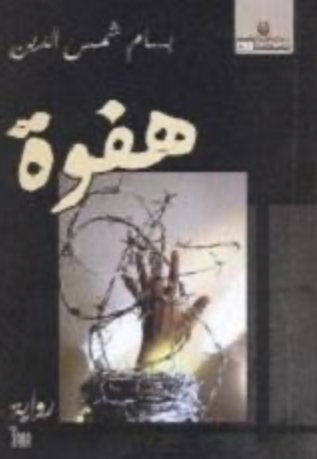
Bassam Shams Al-Deen | Hafwah | Hazawiaward | 158 pages
Either Zahra converts to Islam, or Awlaq becomes Jewish (p. 111)
This line is at the heart of Hafwah (A Slip), a novel by Yemeni writer Bassam Shams Al-Deen, published by Obadi Publishing House in Sana'a in 2011. The 158-page novel tells the story of Awlaq, a young man caught between love, religion, and societal restrictions.
The novel is set in the first quarter of the twentieth century, when Jews were an integral part of local communities in Yemen, before their mass migration in the middle of the century through the port of Aden in Operation Magic Carpet.
The writer noted that the displacement of the remaining Jewish families from northern Yemen prompted him to write the novel and explore the details of the past, drawing on accounts from elders who lived through that period.
Zahra is a young Jewish woman living in Sana'a. Her life is difficult from the beginning. Raised by a strict father, she is later pushed into an unsuccessful marriage. After its dissolution, she strives for independence and opens a small inn for travelers in Qaa Al-Yahood.
It is there that Awlaq enters the story. A young Muslim man from Aden who teaches English, Awlaq stands out from the men around Zahra. He spends much of his time reading and keeps away from the rowdy behavior of the inn's guests.
Awlaq falls in love with Zahra and wants to marry her. However, their interfaith relationship triggers resistance not only between them, but from their families, religious authorities, and society at large.
When Zahra and Awlaq have a child, their situation becomes even more difficult. Desperate to stay together, they find themselves constrained by rigid social and religious rules.
Bassam is not merely telling the story of two lovers. He examines what happens when personal affection collides with religious dogma and social expectations, while offering a vivid picture of interfaith life in historical Sana'a.
Since his 2004 debut novel Al-Tawousa, Shams Al-Deen has built a prolific career spanning thirteen novels and two short-story collections, establishing himself as one of Yemen's most distinct literary voices. What interests me about his writing is his willingness to confront subjects that can be difficult to discuss openly. He does not choose the easier subject or the safer question, often returning to religion, society, history, and personal freedom through nuanced characters rather than direct arguments.
His other novels also deal with a wide range of subjects. In Al-Tawousa, he follows Saif Shamsan through the difficulties of military life and love. The Sacred Circle goes back to the final days of the Kingdom of Sheba and the conflicts among the ancient Yemeni kingdoms, while The Curse of the Endowment tells the story of villagers who build their homes over a cemetery despite an old warning. In A Family Outing, a butcher becomes involved in the murder of a tribal leader after taking in the leader’s young son, while Farhan’s Marriage explores love, tribal customs, and the restrictions placed on marriage. Together, these works show his continued interest in the relationship between individuals and the social, historical, and cultural worlds around them.
A Novel Looking for a Publisher
Hafwah was translated into English by American academic Mark S. Wagner, a professor of Arabic at Louisiana State University known for his scholarship on Arabic literature and the cultural history of Yemen's Jews.
In his introduction, Wagner contextualizes the narrative within the broader memory of Middle Eastern Jews. He observes that Awlaq and Zahra's story is not a conventional romance, but a relationship shaped by desire, poverty, and social circumstances.
The writer told me that Wagner made a great effort to translate the novel, but finding a U.S. publisher was not easy, likely due to the novel's bold treatment of desire, the body, and religious boundaries.
Despite these challenges, Hafwah gained academic attention, including a 2022 critical study by Dr. Mohammed Al-Mubarak published by Tanta University. Unsurprisingly, the novel's provocative themes also drew backlash from religious conservatives.
Yet, Bassam Shams Al-Deen continues to write, staying true to his vision with remarkable courage.
After finishing Hafwah, Awlaq's words keep echoing: "Either Zahra converts to Islam, or Awlaq becomes Jewish." It leaves the reader contemplating the timeless struggles of human love against unyielding social norms.
Did you enjoy this text? If so, please support our work by making a one-off donation via PayPal, or by taking out a monthly or annual subscription.
Want to make sure you never miss an article from Literatur.Review again? Sign up for our newsletter here.