



Ayla and Fuat
It’s summer in the Global North and winter in the Global South. Reason enough for Literatur.Review to bring summer and winter together in August and publish previously untranslated or unpublished stories from the North and South of our world.
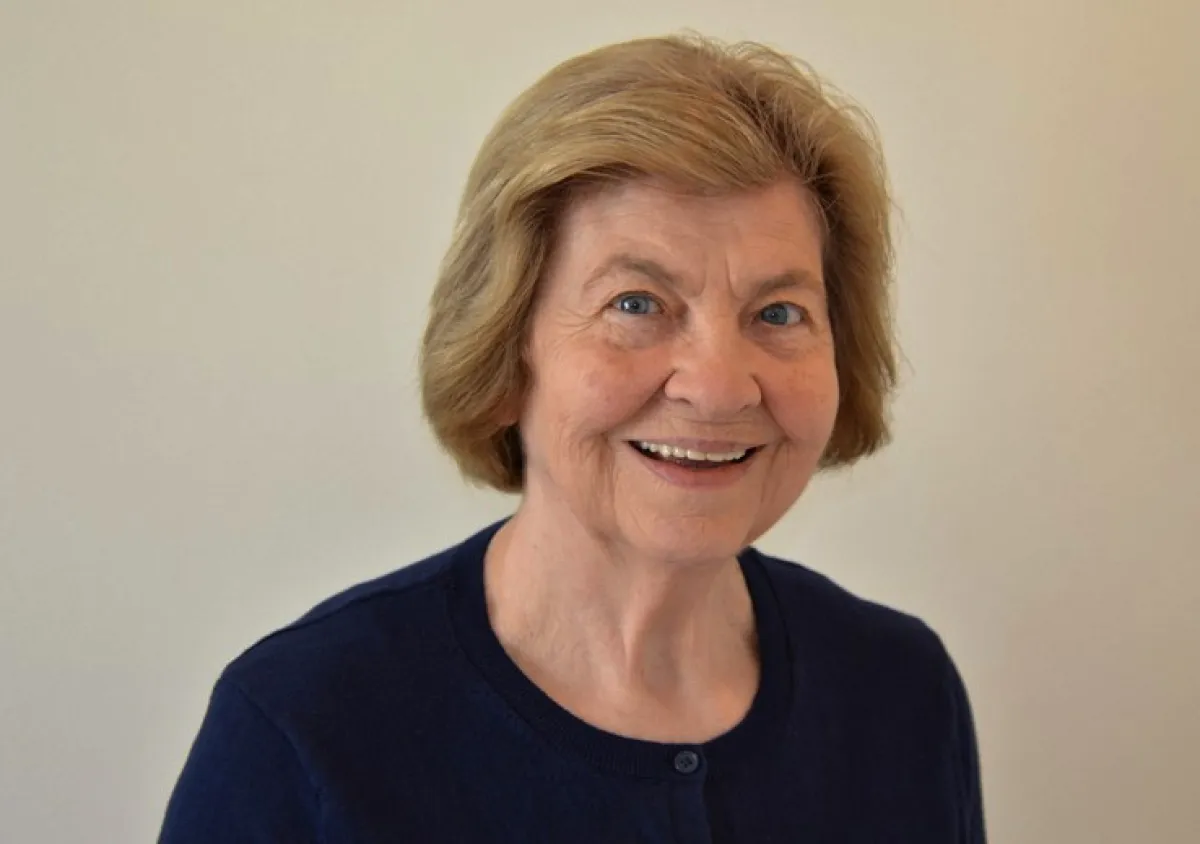
Safeta Obhodjaš (b. 1951) grew up in Bosnia and Herzegovina near Sarajevo, where she published her first literary works: radio plays, short stories, and novellas. Her experiences in socialist Yugoslavia, as well as her Slavic heritage and Muslim roots, shaped her early writing.
In 1992, she was driven from her homeland by Serbian nationalists. In Germany, she continued her literary work in both German and Bosnian. As an author, she is committed to the integration of Muslim women and youth. She processed her experiences of living between cultures in, among other works, the anthology Deutschland als Heimat? – Integrationsprozesse im Zusammenprall zwischen Hier und Dort (Germany as Home? – Integration Processes in the Clash Between Here and There).
Although Ayla’s parents had known from the start that she had been communicating with Fuat online or on Skype for a year, they viewed him merely as a phantom boyfriend. Without comment, they accepted her wish to learn German at the Goethe-Institut, viewing it merely as another quirk of their headstrong daughter.
A phantom? As if! One day, Ayla announced that her boyfriend was coming to visit. Her parents still couldn’t imagine that this German-Turkish guy from the internet was a real person.
He was twenty-seven, worked as a manager at a large company in Germany, and was on his first business trip to Istanbul. The two of them had been waiting a long time for this chance to finally meet in person, Ayla explained to her parents, proudly adding that he owed his good grasp of Turkish to her. Their phone calls and email exchanges had helped him learn Turkish properly, and his bilingualism had then landed him this good job. But her parents weren't impressed; they unanimously refused to welcome a stranger from the West into their home. “You brought me to this country of misogynists when I was a baby; I could do nothing about that. If you fled Bosnia even before the war, why didn’t you head west like all the other civilised people? My friend Fuat lives in Europe, and I want to be with him. In his country, women are free, he told me—free to lead their own lives. That's what I want, too.” Whenever Ayla felt trapped, she would appeal to her parents’ sense of guilt.
Late into the night, she listened to the whispers coming from her parents’ bedroom, hoping for a positive outcome from their late-night discussion. During the long, sleepless hours until dawn, she prayed: “Dear Allah, open a path for me to Europe, even if it’s through Fuat Kacer. Please, please!”
God seemed to have a keen ear and plenty of mercy. In the morning, Ayla’s parents told her that they would like to invite her boyfriend over for dinner. If he was more than just a phantom, then the meeting with him should take place under their supervision.
The young man was busy with many appointments in Istanbul, but he managed to visit Ayla and her family twice. During his visits, the girl absorbed everything he told her about the lives of Muslim women in his country, which sounded so foreign to her. Whenever she brought up this topic, he would emphasise again that the women in his family were very strong and wouldn’t let anyone boss them around. His mother and sister had even taken part in a demonstration against a radical group, organised by the Germans. Ayla didn’t understand who or what they had been protesting against; she only heard that it had been voluntary.
Although Fuat behaved very decently and treated Ayla with respect, he didn’t really win over her parents. “I have a feeling that he didn't show us his true colours,” was her mother’s verdict, but the girl turned a deaf ear.
During their first Skype call after his visit, Fuat invited Ayla to Germany. She would be staying with his rebellious older sister, Merve, the one who had marched in the demonstration. Ayla was euphoric, and her daily life turned upside down. She neglected her art studies, instead studying German intensively. It was precisely during this time that protests against the government’s arbitrary rule broke out in Istanbul—a welcome opportunity to gain hands-on experience with European democracy. With a group of students, she walked three days in a row to Taksim Square, where she stood silently for a few hours, revelling in her own courage. Her father promptly received a photo of her from the protest, on his mobile. That evening, he gave her a real earful. “The thugs could have beaten you to a pulp, like they've done to so many others, or poisoned you with tear gas. It would have been even worse if they'd arrested you. Rumour has it that women are raped at police stations. Who can help us then? We’re still strangers in this country.”
After her parents had exhausted their list of horror scenarios, Ayla said with feigned calm: “You’re right—all of that could have happened to me. Don’t you see that only Fuat can save me from this terrible country?”
+++
The young woman remained locked up in the house for several days while her parents searched for a solution. Finally, they called a cousin on her mother’s side who lived near Düsseldorf. She owed them a favour, since she and her entire family had already been guests of theirs three times. The cousin reacted as they'd expected, offering Ayla room and board. The girl didn’t want to refuse her parents’ safety precautions because that would have meant she’d have to tell them the truth about her uncle. Every time this couple had been guests in their home, he had tried to touch her and lecture her on how intoxicating a real man’s kisses were. Ayla hated this cousin and her husband, yet she would rather have bitten her tongue off than tell her parents about it. She was ashamed that such a disgrace was possible in her family.
During the long wait for a visa, the conversations between the young people intensified. Fuat constantly reassured her that he would treat her with respect, as if they were already engaged. Although marriage wasn’t one of her future dreams, if it offered the only chance to lead a free life in a free country, then she would have to accept it.
He promised to pick her up at the airport along with his sister and mother. She didn’t tell him about the cousin whom her parents had tasked with meeting her. “In Germany, I’ll be free from the worries of my family. I’ll greet my cousin and tell her openly that I trust Fuat and want to live with his sister.”
As she hurried toward the young man at the exit after landing, she was certain she was the happiest girl in the world. A second later, she grew a little suspicious because he was alone, even though he had insisted he would bring his mother and sister. She glanced at two women in long coats and black headscarves standing behind him, and felt a bit irritated. Such a scene didn’t fit her image of European civilization. “Why is he alone? Has his family rejected me? What do I do now?”
Fuat cut a fine figure in his elegant suit. His gaze, however, scrutinized her critically and seemed to linger on her long, dark-blonde hair. She moved closer to him slowly, frightened by his stony expression.
“Ayla, I thought you’d figure it out on your own. It’s my fault; I should have told you. This is my mother and my sister Merve,” he said, introducing the women in long coats. “But don’t worry, they’ll take care of you. And they have several gifts for you.”
The younger woman with the skillfully made-up eyes pulled a bag out of her purse.
“Welcome! Our sister, I’m so happy to finally meet you. Fuat has told us so much about you. And about your family. Come with us! There’s a room with mirrors over there in the corner. All the women in our family—believe me, every single one—have chosen of their own free will to dress according to our customs. You can choose the colour: black, dark blue, dark red. The dark blue one with lace would look great with your eyes. With this headscarf, my brother will love you even more.”
Did you enjoy this text? If so, please support our work by making a one-off donation via PayPal, or by taking out a monthly or annual subscription.
Want to make sure you never miss an article from Literatur.Review again? Sign up for our newsletter here.