



Urun Kuhzod
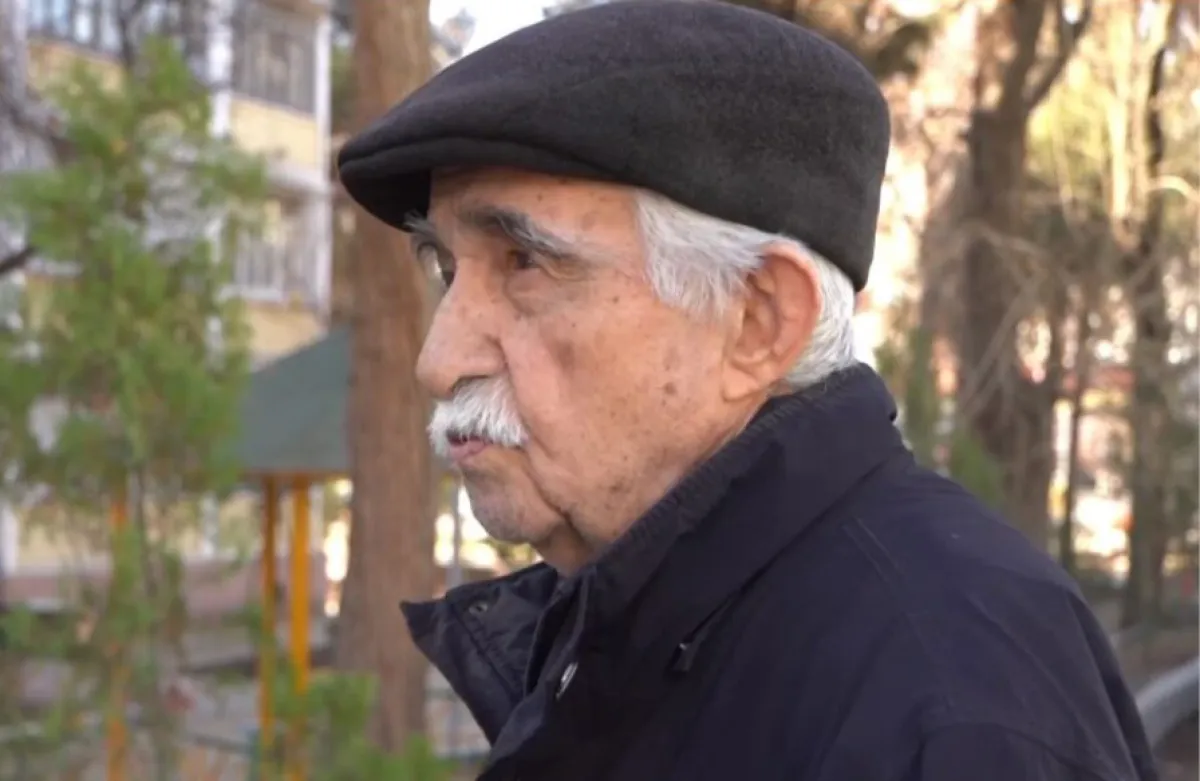
Urun Kuhzod (Urunboj Dschumajew) is one of the most important contemporary prose writers in Tajikistan. He is a popular writer and winner of the Rudaki and Aini prizes. Born in Punjakent in 1937, he began his literary career at the satirical magazine Chorpushtak, where his preference for precise observation and social exaggeration became apparent early on.
Kuhzod's work is characterized by the combination of a finely illuminated psychological character drawing with sharp social criticism and journalistic clarity. His texts revolve around questions of national self-image, moral conflicts and the multi-layered historical experience of the Tajik people.
In addition, as a translator of works by Anton Chekhov and Gabriel García Márquez, Kuhzod has made a significant contribution to the dissemination of world literature in Tajikistan. His literary work is widely regarded as a highlight of modern Tajik prose.
Urun Kuhzod's best-known works include: Sarewu sawdoje (1971), his first collection of stories; Rohi aghba (The Way Over the Pass, 1971), a novella; Kini Chumor (Chumor's Revenge, 1976), a novella with a social ethics slant; Jak rūsi daros, rūsi bissjor daros (A Long, Very Long Day, 1977), a documentary novella about Sadriddin Aini; Bandiji osod (The Free Prisoner, 1994), a novel that won the Rudaki Prize; Hajjo (2014), an extensive historical novel about the fall of the Emirate of Bukhara; and Burrotar si tegh (Sharper than the Sword, 2019), a collection of contemporary stories and novellas.