



Only the most populous country in the world?
 Penguin
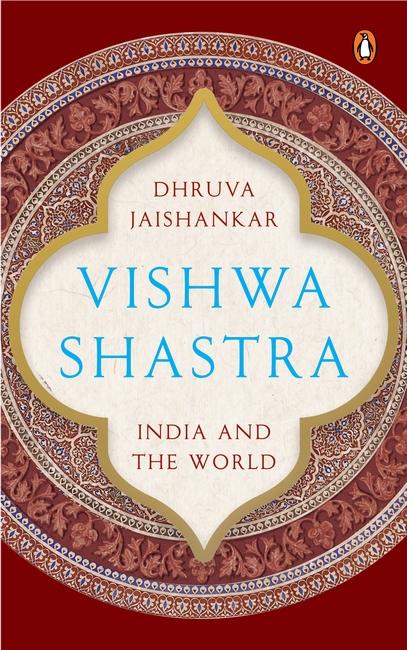
Dhruva Jaishankar | Vishwa Shastra - India and the World | Penguin | 440 pages | 699 MRP
What do we know about India? An almost incomprehensible diversity, a former British colony, abject poverty, an ancient culture, the most populous country on the planet. The world is fascinated by "G2", the struggle for supremacy in the 21st century between the former and possible future superpower - the United States versus the People's Republic of China. But is it possible that we are overlooking a crucial factor?
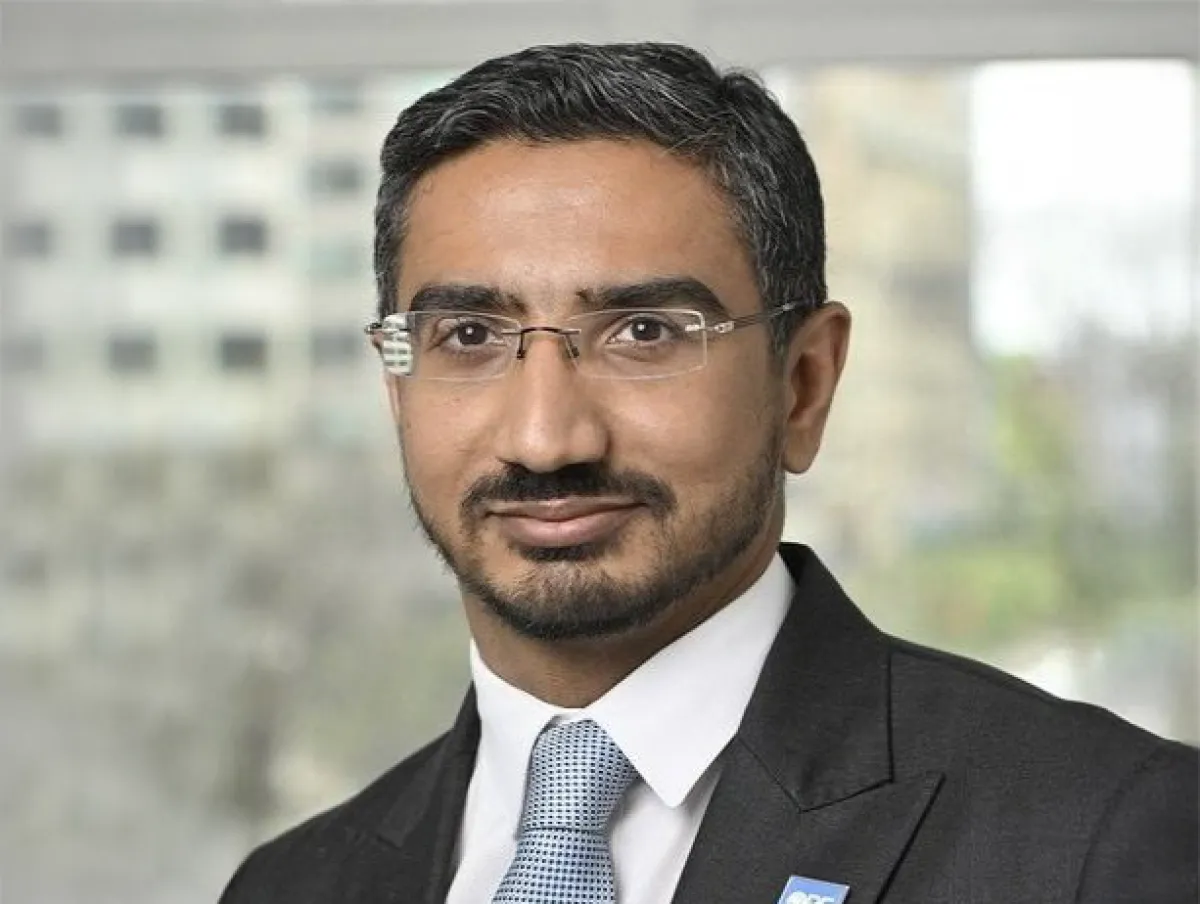
The world's most populous country, a nuclear and space power, is not among the states in the UN Security Council with veto power. You don't need to know more than that to realise that the current UN system no longer much reflects the real balance of power in the 21st century. Dhruva Jaishankar, Executive Director of the US think tank Observer Research Foundation America, wants to change that. He believes that India is undervalued, does not always capitalise on its opportunities, and actually is strong enough to be a decisive superpower in its own right.
In his book "Vishwa Shastra / India And The World", published in 2024 by Penguin Random House India, the author offers an overview of Indian history from its beginnings to the present day. Throughout, he is interested in how the subcontinent has related to other cultures, convinced that foreign relations will determine the country's future. In the preface, he explicitly addresses the youth of his country. He wants them to understand where they come from, where they stand now, and what path lies ahead. His historical overview begins with the early civilisations on the Indus. The historical outline is sketched out, the clear focus being on the 20th and 21st centuries. The last third of the book shows the strategic challenges that India must overcome if it intends to play a leading role and shape its own future.
The book is not only interesting for India's youth, but for anyone who has only ever paid India marginal attention. It offers a concise and engaging overview and an extensive list for further reading. Did you know that the British only dominated the subcontinent for around two hundred years, and of those, only ninety were under direct state rule? That at the time of India's independence, there were almost six hundred formally independent "princely states"? Most joined India (or were persuaded to do so), but some had to be overcome militarily by the central government. From 1900 to 1947, the annual economic growth was zero percent; systematic plundering could hardly be more clearly illustrated statistically. In the same period, the population grew from 240 million (India and West and East Pakistan) to 340 million (India only).
India had, and this is often forgotten, a whole baggage of liabilities on its shoulder when it became independent. This included the partition into Pakistan West and East (now Bangladesh) and the Kashmir conflict, which triggered three wars. Following independence, the country adopted a planned economic policy under Jawaharlal Nehru, which hampered rapid economic development. Growth rates averaged two percent. India aspired to be as self-sufficient as possible in order to pursue an independent policy. Only later, in 1991, under pressure and influenced by the rise of many Asian countries and, ultimately, China, did India, under the government of P. V. Narasimha Rao, decide to undertake its first economic liberalisations. Rao thus effectively brought the first phase post-independence to a close. Since then, India's growth rates have been among the highest in the world, although it is still a long way behind China.
And this is precisely where the country's biggest problem lies. India has made significant economic and technological progress, but is it strong enough to claim and maintain an independent role as a great power? India's economic rise represents the second phase post-independence. Today, the country faces new, major challenges. Dhruva Jaishankar summarises these in the final third of his book under the heading "Strategy". India must first increase its prosperity, strengthen its security and continue to modernise. It must ensure a well-integrated and peaceful neighbourhood. Furthermore, India must be able to withstand China's power, which until recently was still claiming Indian territories for itself. Although the conflict with Pakistan is no longer central, due to India's growing military and economic power, it still exists and remains dangerous.
Whether India can play a largely independent role in the world has been the subject of ongoing controversial debate in the US magazine "Foreign Affairs" this year. Some think that the country could develop better and faster if it aligned itself firmly with the US (against China). That may be so. But who wants to trade their freedom of action for a little more prosperity? Not India. They see themselves as an emerging power. Dhruva Jaishankar argues that India should first do its homework in all areas - and there are many - but not give up its freedom of action. From this perspective, his book is not only instructive for India's youth, but also a direct call to them to put their own house in order first, in order to preserve and enhance freedom, peace and prosperity. If only Europeans would take note.
Did you enjoy this text? If so, please support our work by making a one-off donation via PayPal, or by taking out a monthly or annual subscription.
Want to make sure you never miss an article from Literatur.Review again? Sign up for our newsletter here.